 EN
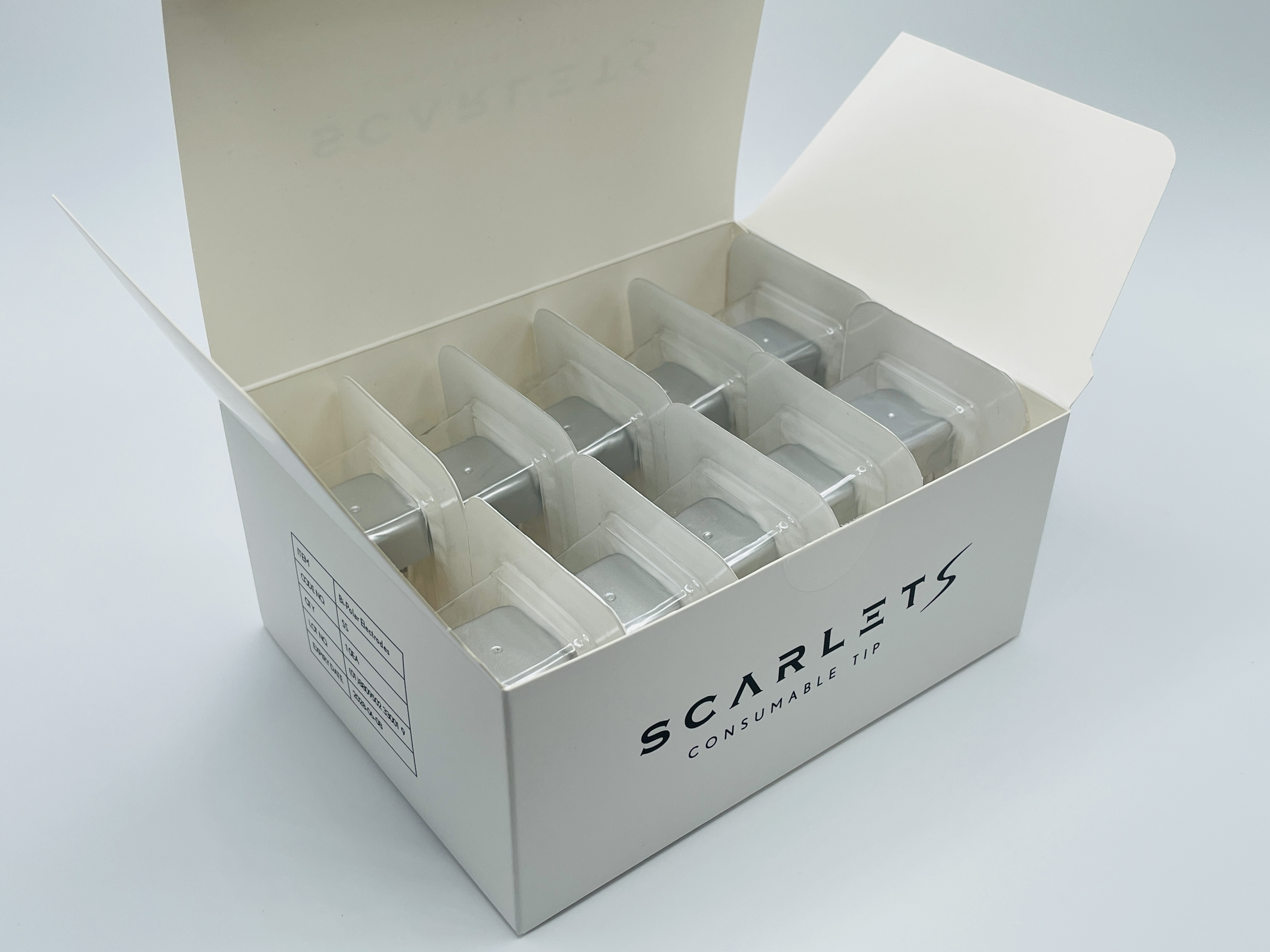
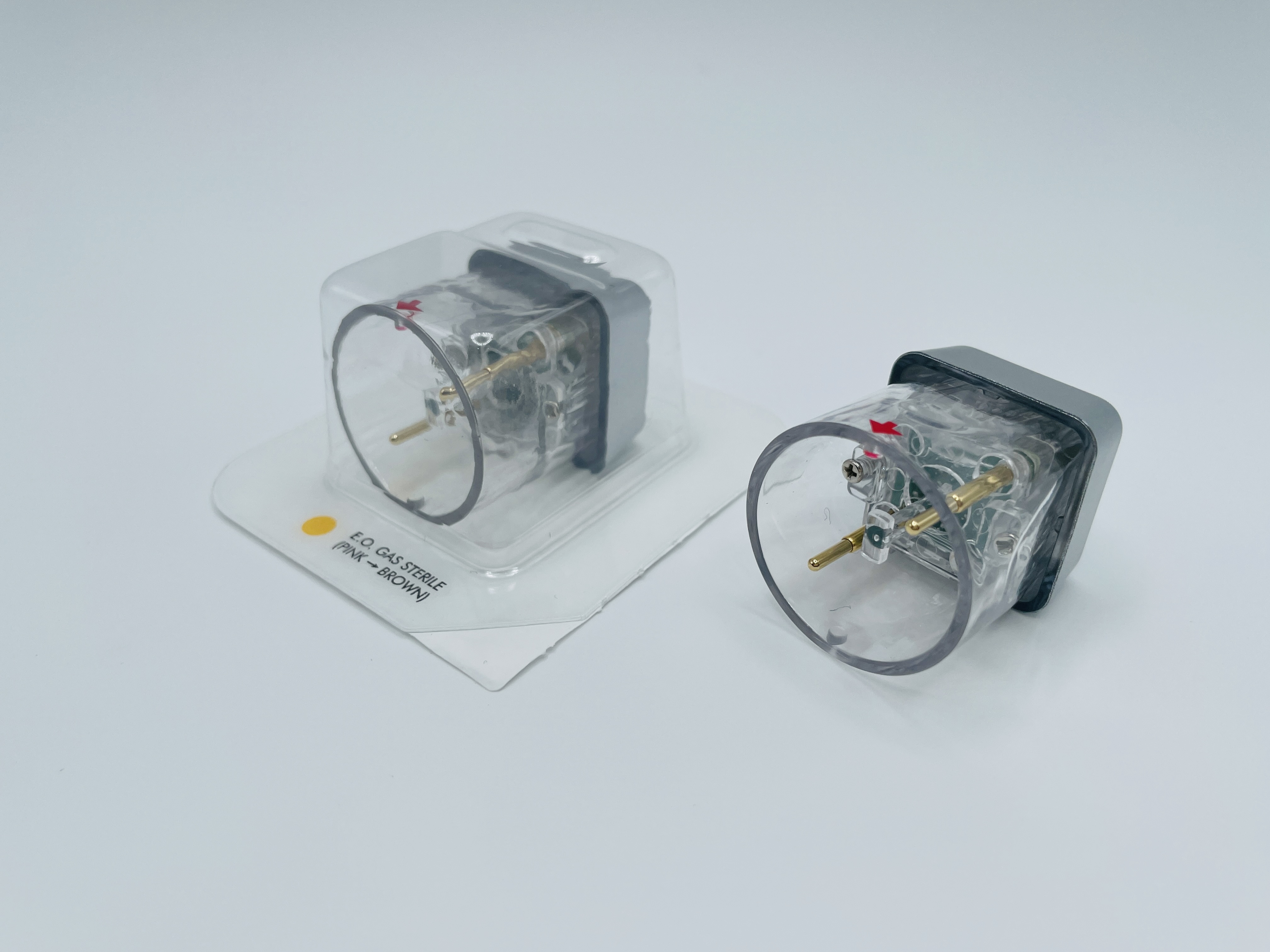
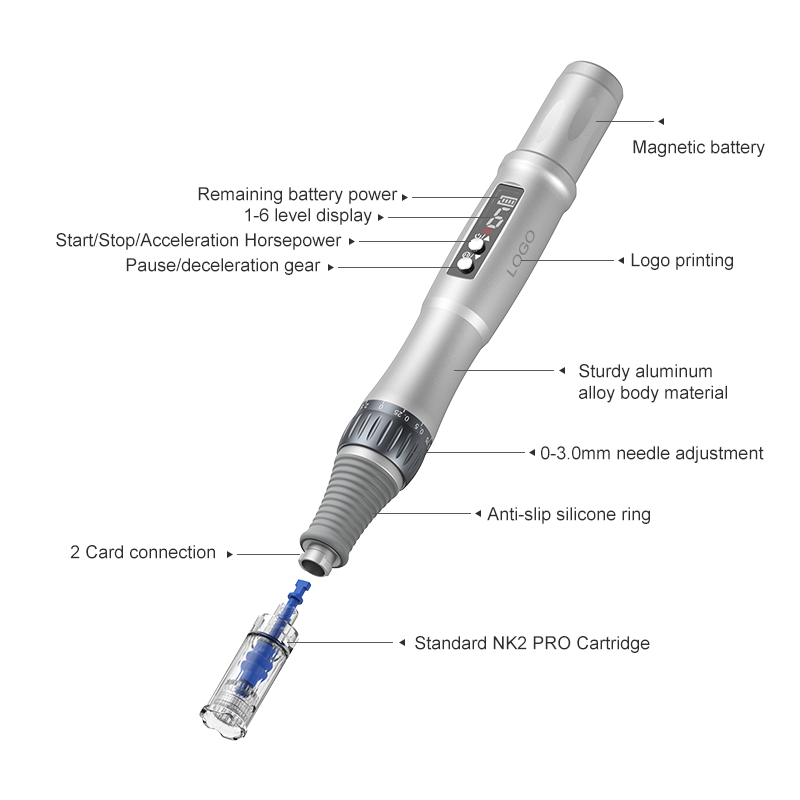
Scarlet RF devices represent a cutting-edge approach in the realm of microneedling technology, integrating radiofrequency capabilities to enhance skin rejuvenation. As a purchasing manager or distributor, you might have specific concerns regarding the quality, specifications, and cost factors associated with these devices. This article will provide valuable insights into the key specifications of fractionated rf, quality control measures, comparisons with other microneedling devices, cost considerations for bulk purchases, and common issues faced with microneedling technology.
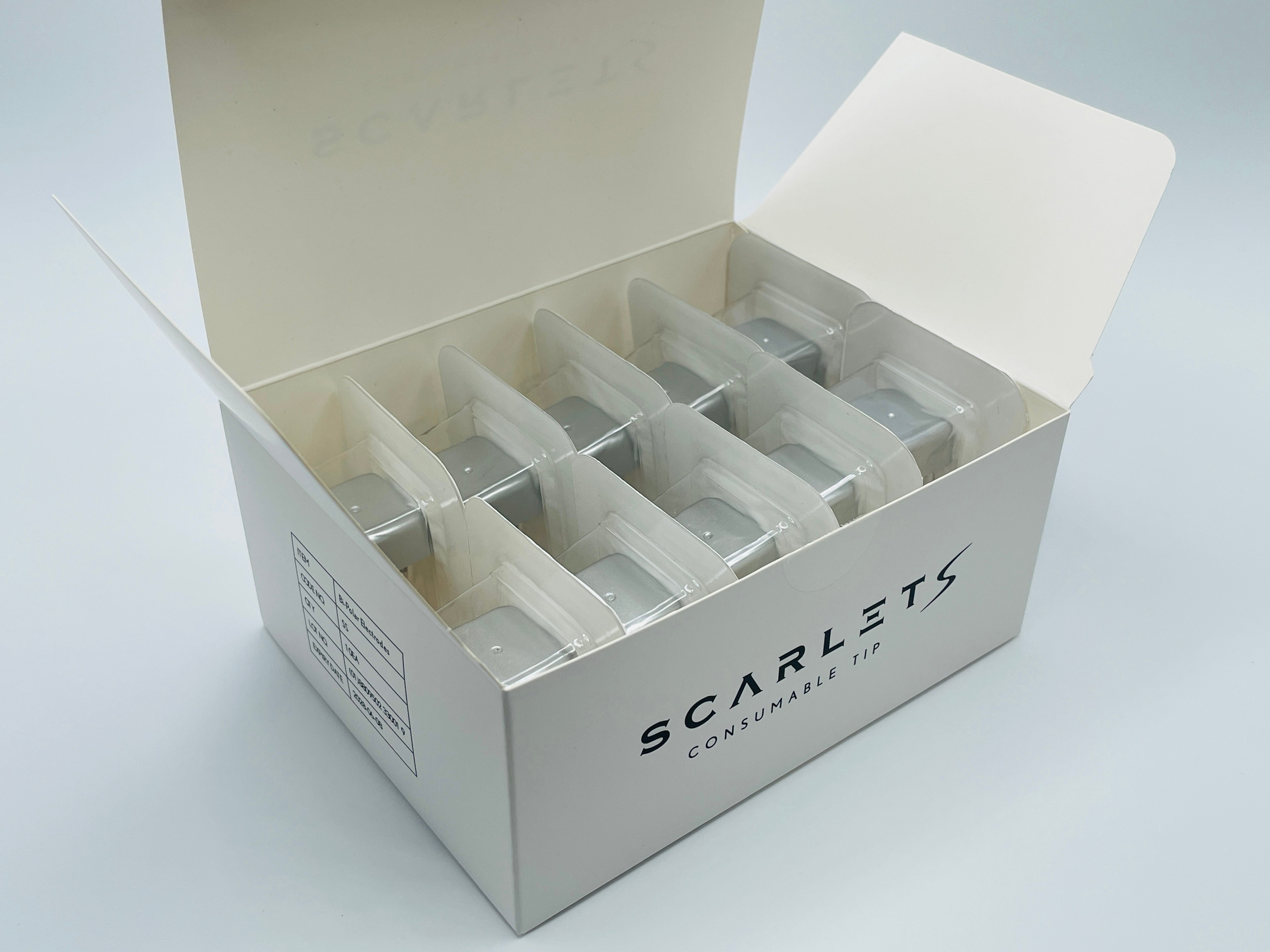
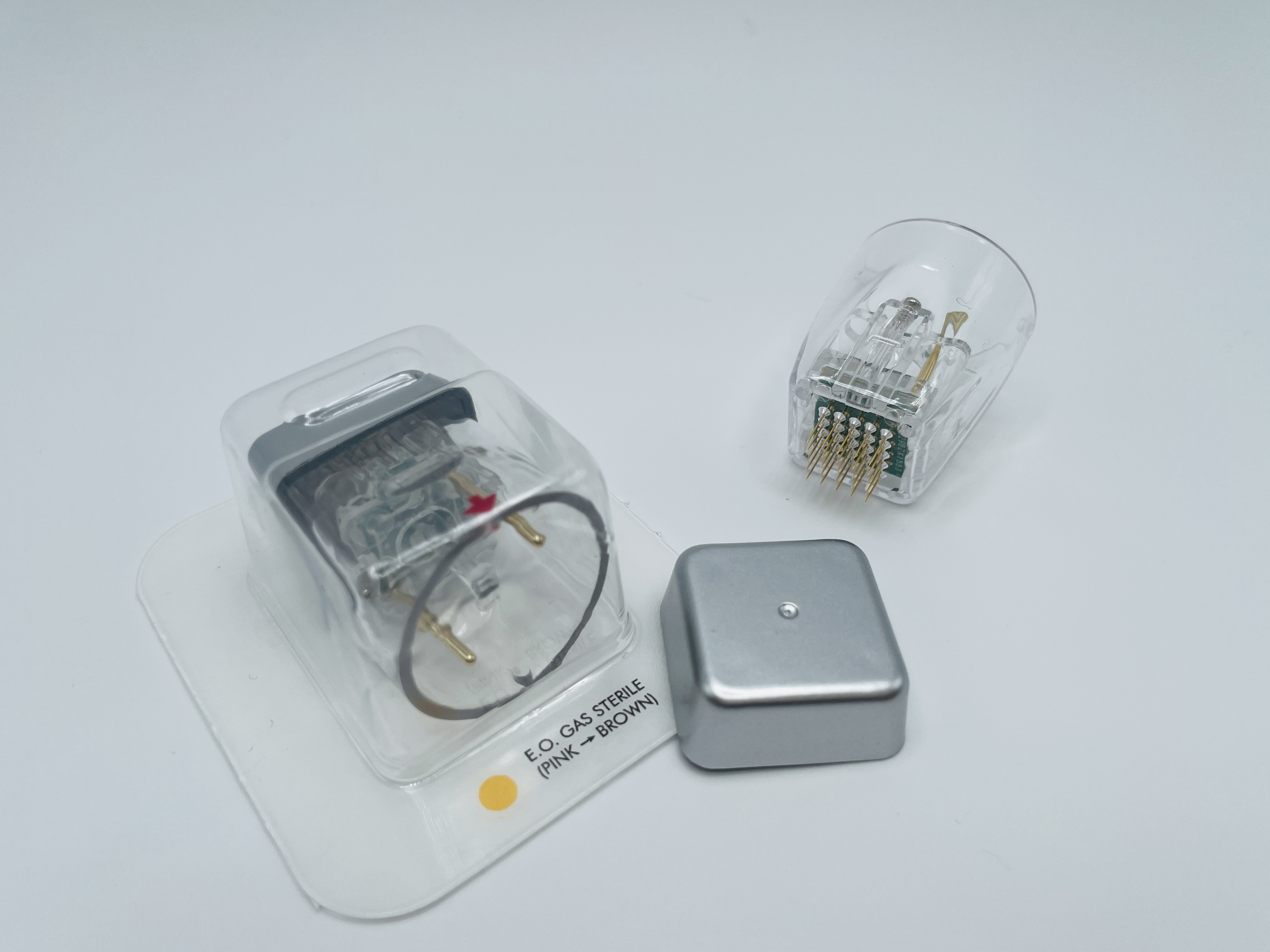
Evaluating the Quality Control Measures for Scarlet RF Products
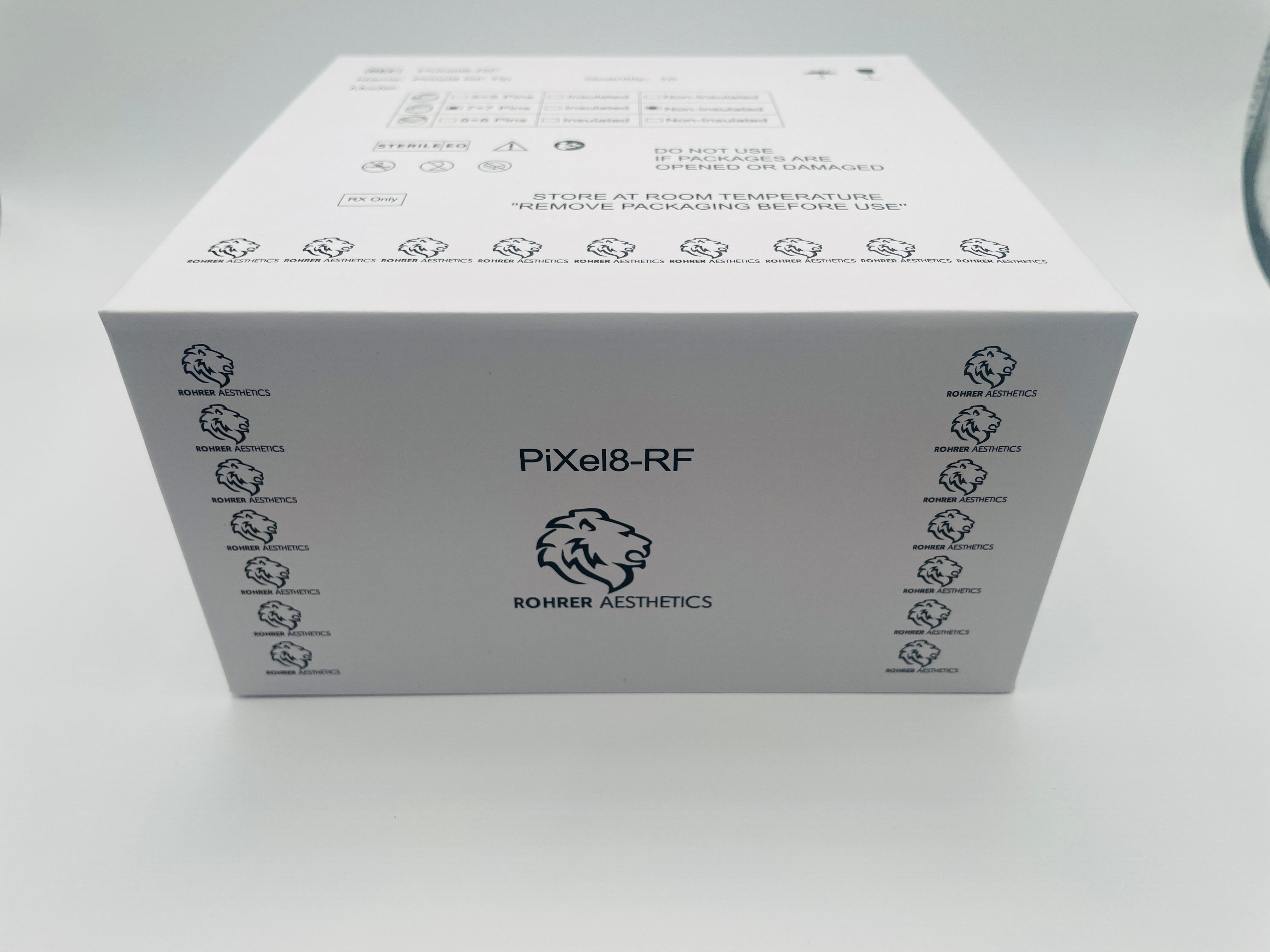
Quality control is paramount in the production of medical devices, especially those used in aesthetic treatments. At Guangzhou Medi Technology Co., Ltd., a robust quality management system is in place, certified by ISO 13485 and adhering to FDA 510K and MDSAP standards. Key quality control measures include:
Material Verification: All raw materials undergo rigorous testing to ensure they meet medical-grade standards. This includes checks for biocompatibility and durability under operational conditions.
In-Process Inspections: During production, devices are subject to various inspections at critical stages. This helps identify any deviations from specified tolerances early in the manufacturing process.
Final Product Testing: Each device is tested for performance metrics, ensuring it meets the expected energy output and safety standards. This includes both functional testing and aesthetic assessments.
Post-Market Surveillance: Continuous monitoring of product performance in the field enables the company to address any potential issues proactively. This feedback loop is essential for ongoing product improvement.
By understanding these quality control measures, distributors can assure their clients of the reliability and safety of Scarlet RF devices.