EN
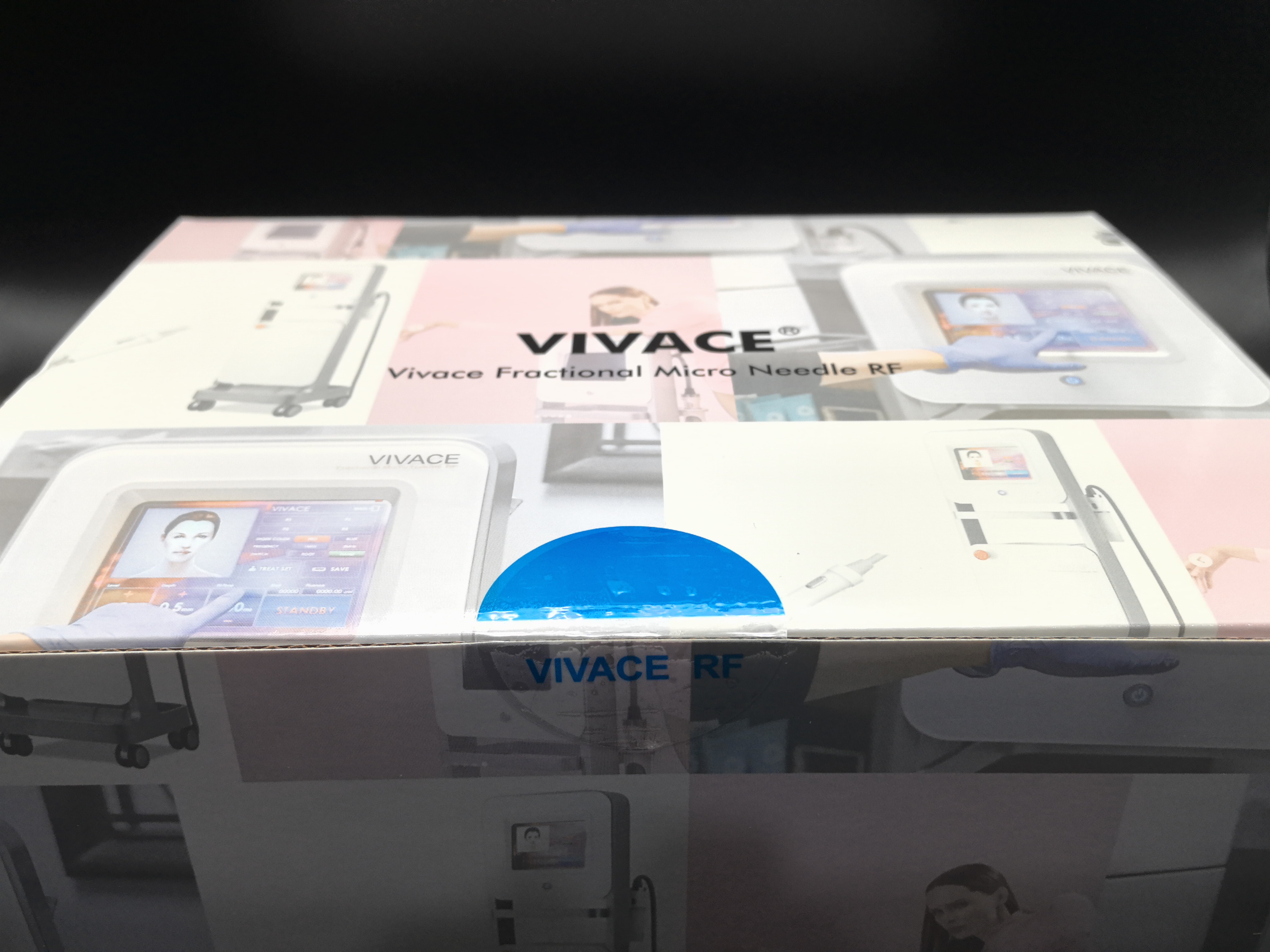
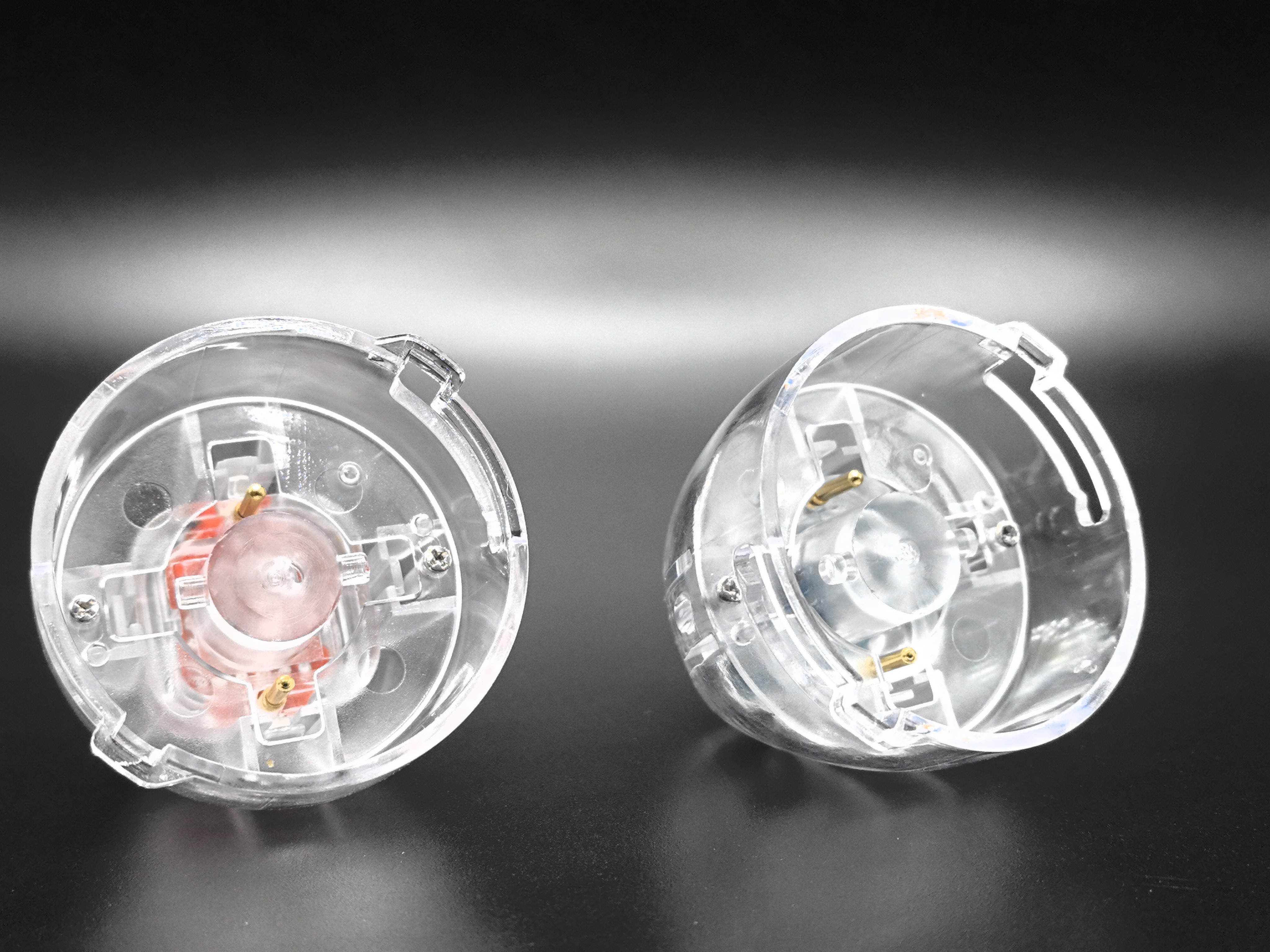
The Vivace RF microneedling device is an advanced tool in the aesthetics and dermatology field, designed to enhance skin texture and promote collagen production through radiofrequency energy. As a professional buyer, understanding the technical specifications, common issues, pricing factors, and installation guidance is essential for making informed purchasing decisions. This article aims to equip you with the practical knowledge required to evaluate and select the right scarlet srf microneedling equipment for your clinic or practice. This article will help you to understand the product more, so keep on reading it all.


Common Problems with Vivace RF Microneedling and Their Solutions
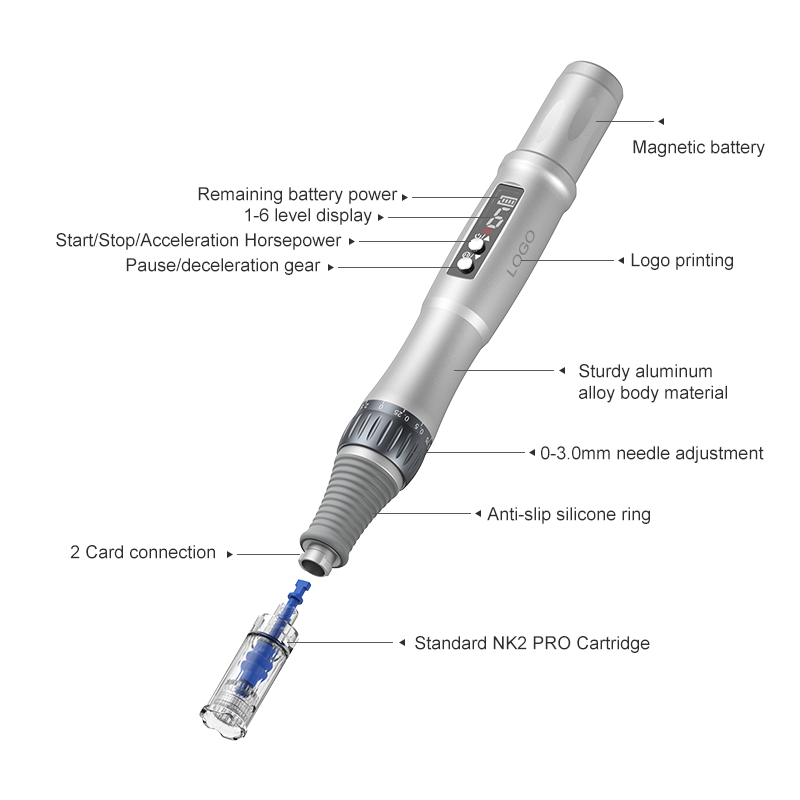
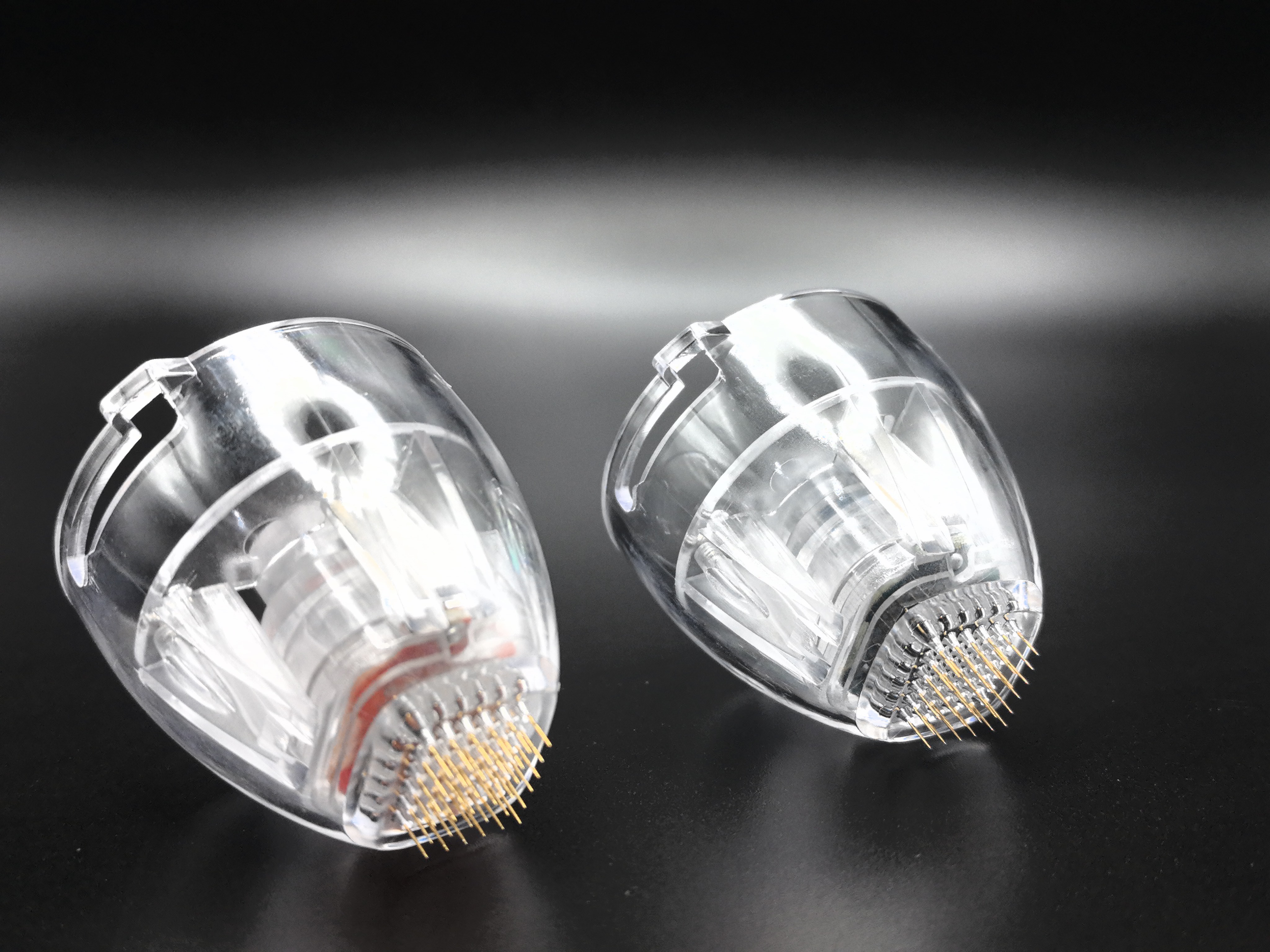
Despite its advanced technology, users may encounter several common problems with the Vivace RF microneedling device:
Inconsistent Results: Variability in treatment outcomes can occur if practitioners do not adhere to the recommended techniques and settings. Proper training and adherence to protocol are essential to achieving consistent results.
Device Malfunctions: As with any technology, mechanical issues may arise. Regular maintenance and adhering to the manufacturer's guidelines can mitigate these risks. Users should also ensure timely servicing to prevent disruptions in practice.
Skin Reactions: Some patients may experience redness or swelling post-treatment. Ensuring a thorough pre-treatment consultation and following post-care protocols can minimize adverse reactions. Practitioners should be prepared to recommend soothing products or follow-up treatments if necessary.
By addressing these problems proactively, buyers can enhance patient satisfaction and treatment efficacy.