 EN
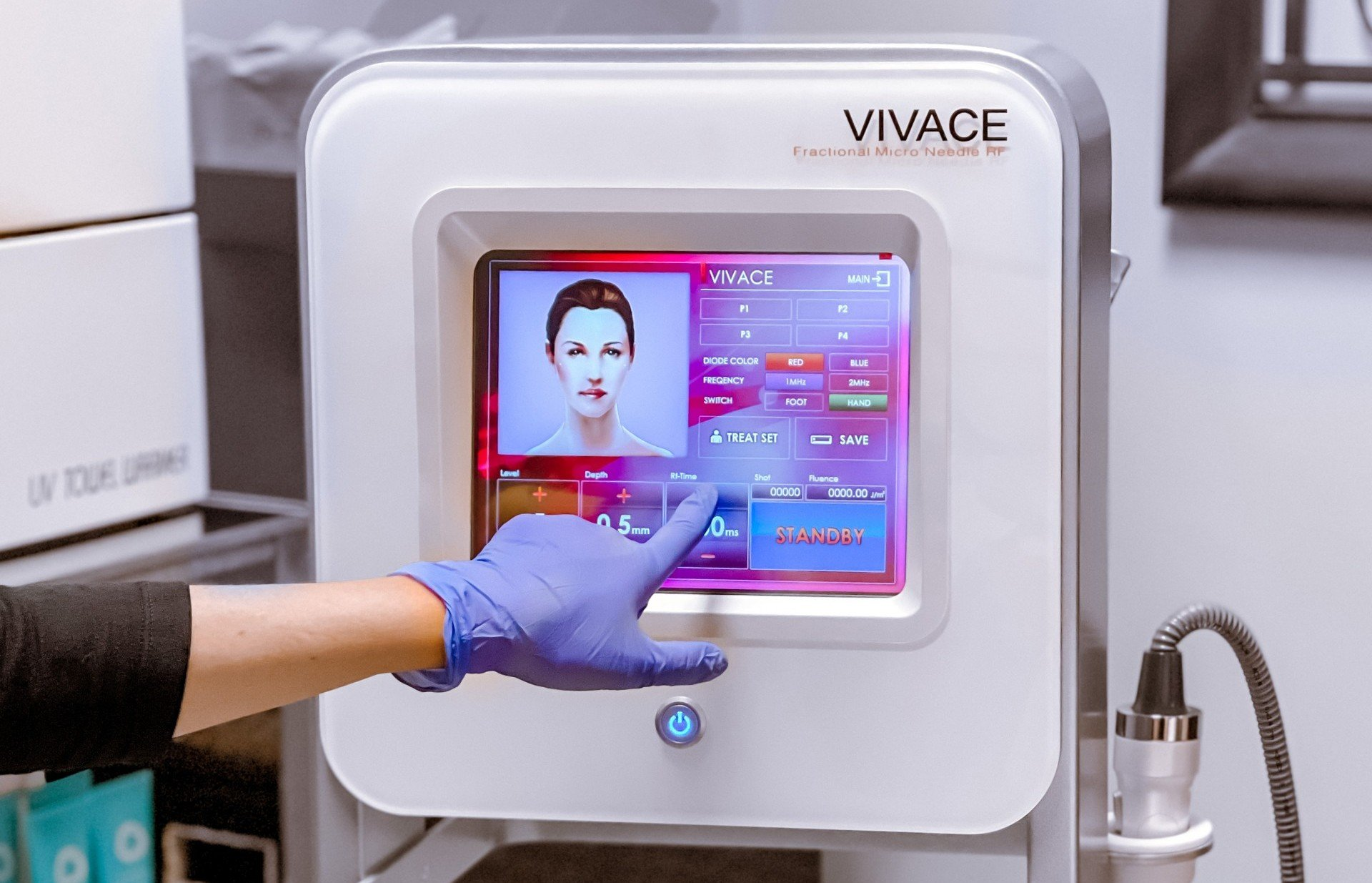
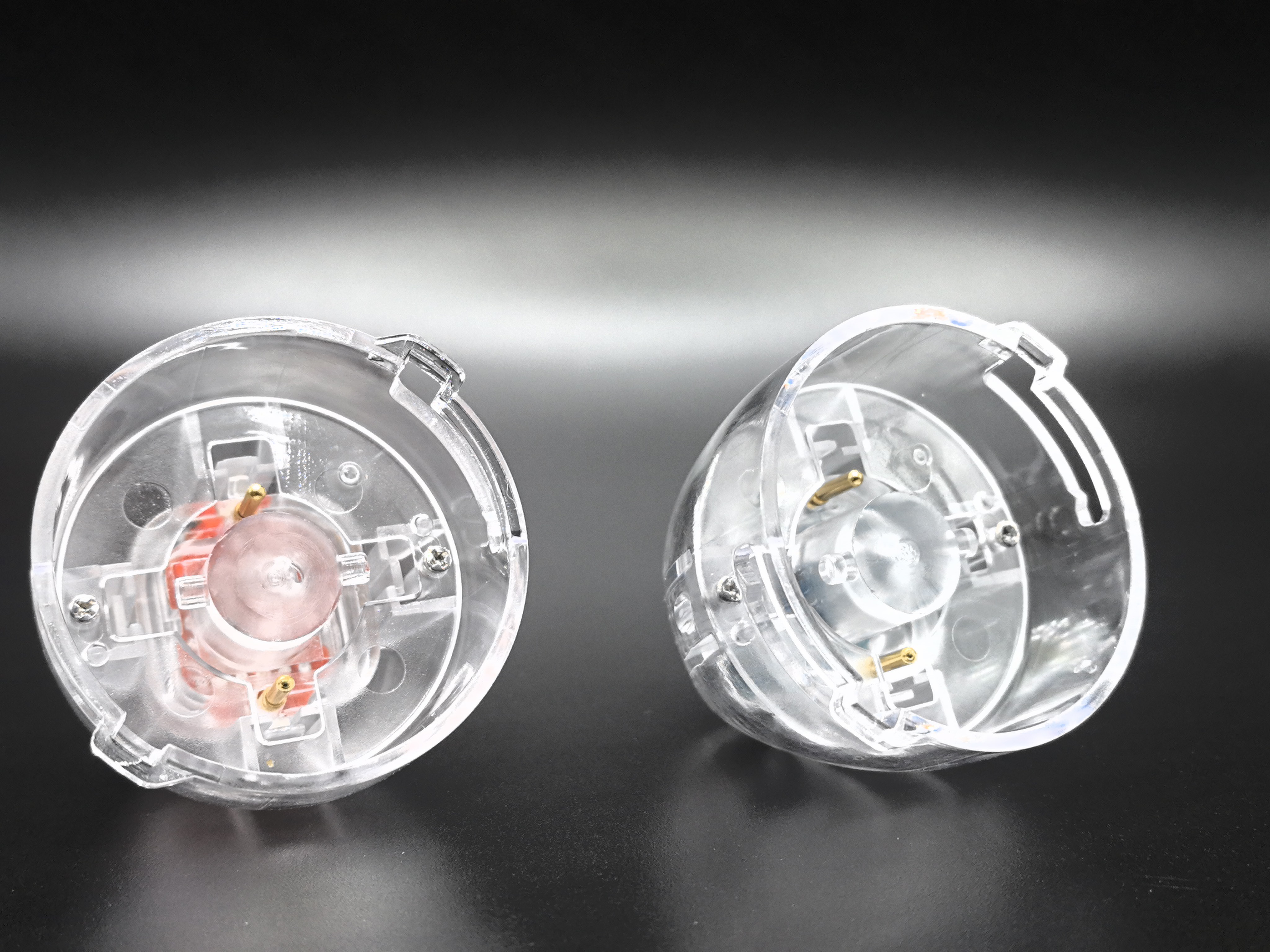
The Vivace Facial is an advanced microneedling device that combines radiofrequency technology to enhance skin rejuvenation and tightening. As B2B buyers, purchasing managers, and distributors in the aesthetic industry, your main concerns revolve around quality, efficacy, and reliability of the equipment you source. This article will provide insights into selecting the right Vivace Facial devices, addressing common issues, sourcing authentic products, understanding their applications, and comparing various models to meet your specific needs.
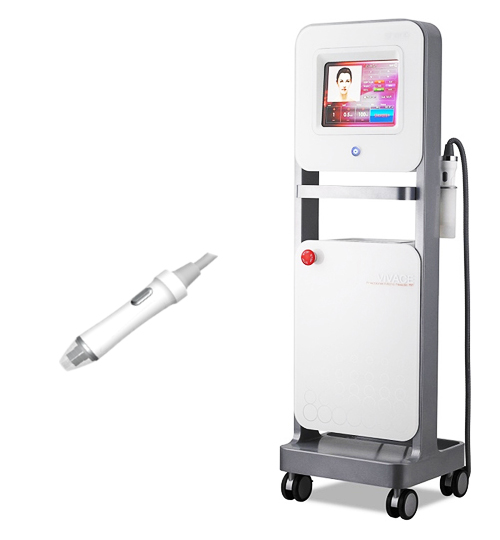
Common Issues with Vivace Facial Devices and Their Solutions
Despite their advanced technology, Vivace Facial devices may present some common issues:
Device Malfunction: If a device fails to operate correctly, check the power supply and connections. Regular maintenance checks can help identify potential problems early.
Inconsistent Treatment Results: Variability in treatment outcomes may arise from incorrect needle settings or improper technique. Training for operators can mitigate this issue, ensuring consistent application and desired results.
Patient Discomfort: Some patients may experience discomfort during treatment. It's crucial to assess the device's settings and ensure adequate numbing protocols are in place before procedures.
Supply Chain Delays: Sourcing authentic Vivace Facial devices can lead to delays if the supply chain is disrupted. Establishing relationships with multiple suppliers can help diversify your sourcing options and reduce risk. For instance, consider suppliers of the Dr.pen A20 or other microneedling devices to broaden your options.
By proactively addressing these common issues, you can enhance customer satisfaction and improve the overall effectiveness of your offerings.