SkinPen Device Cost Breakdown for Distributors

All Categories

Skinpen device cost

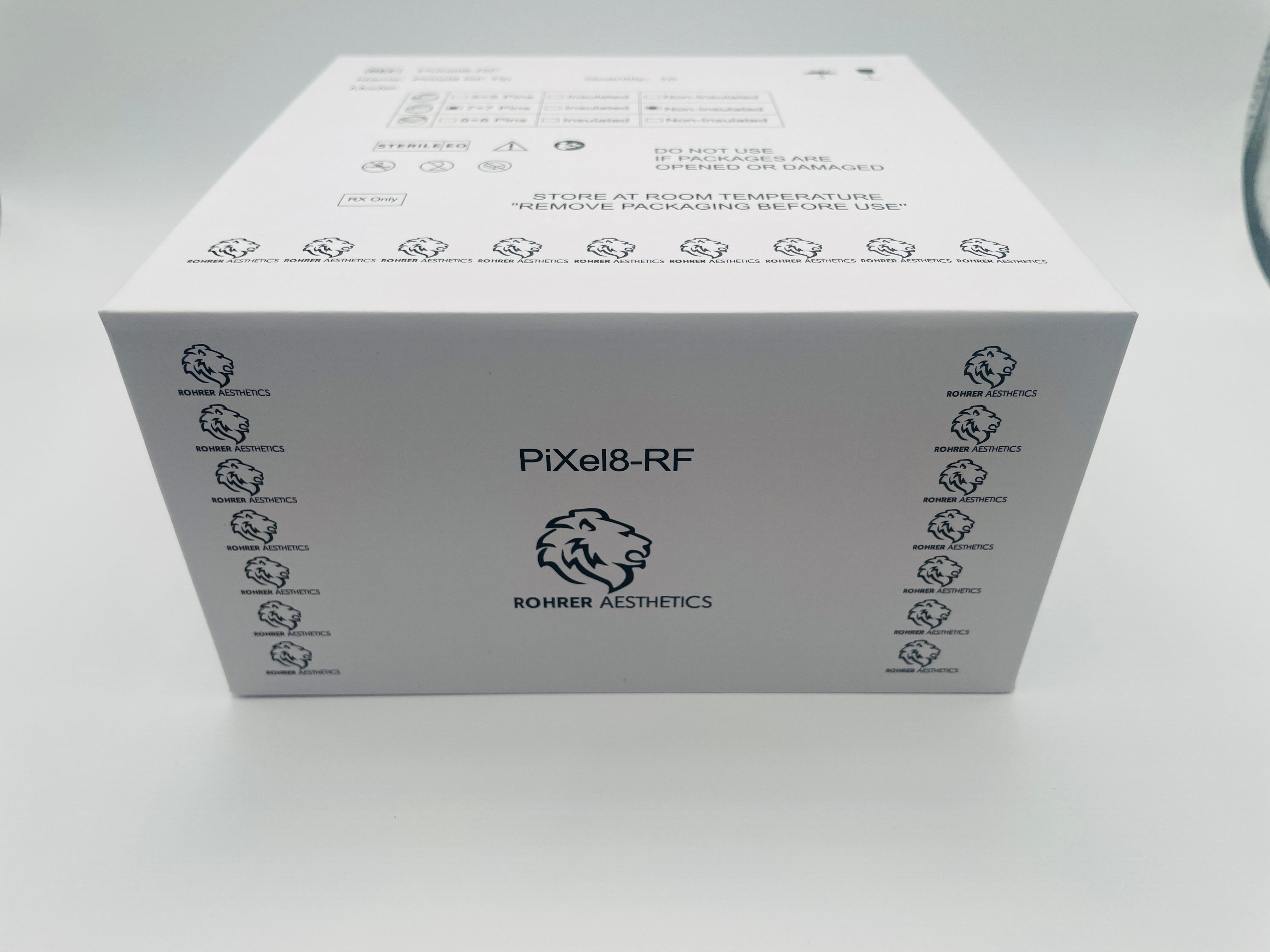
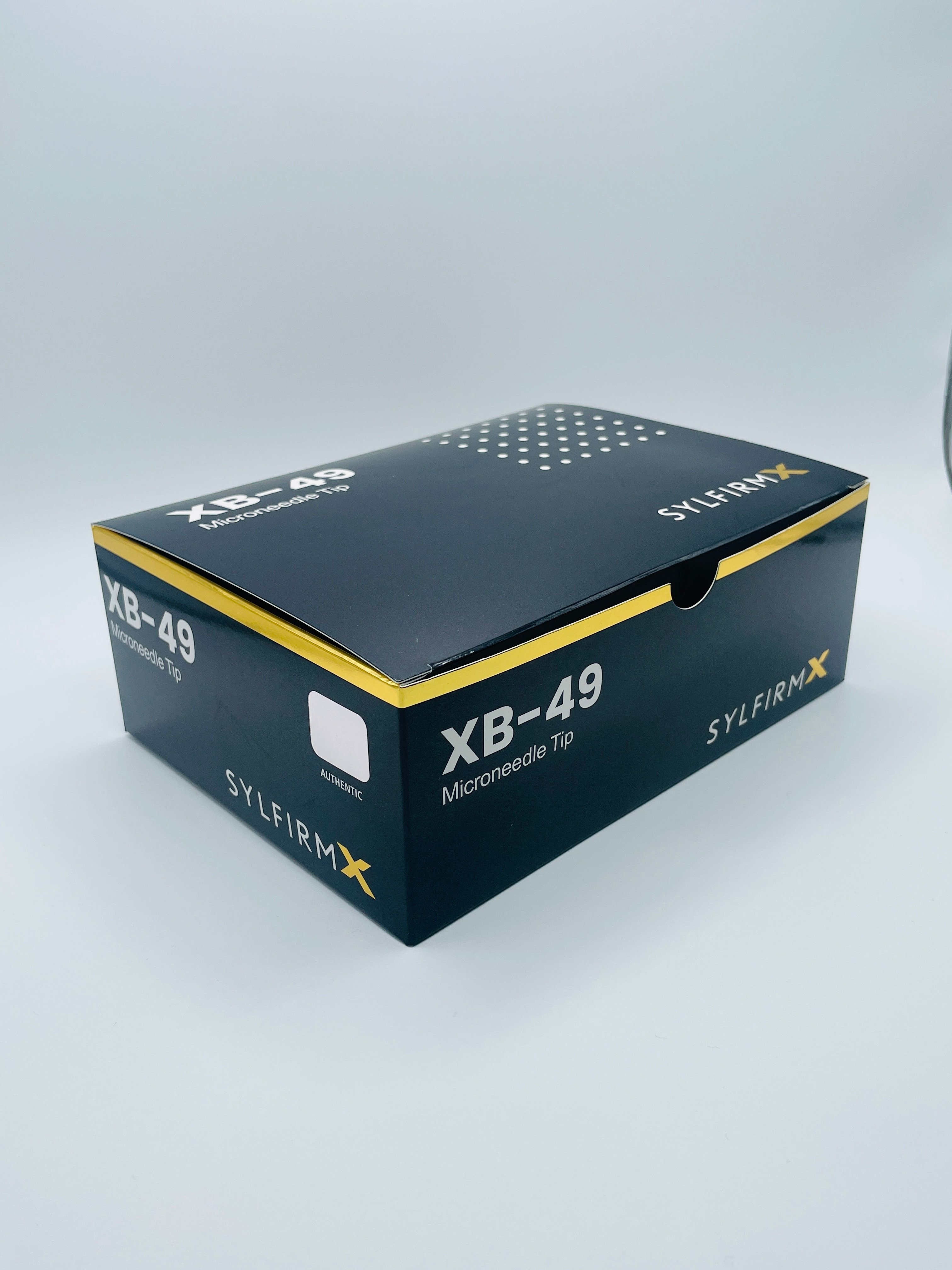
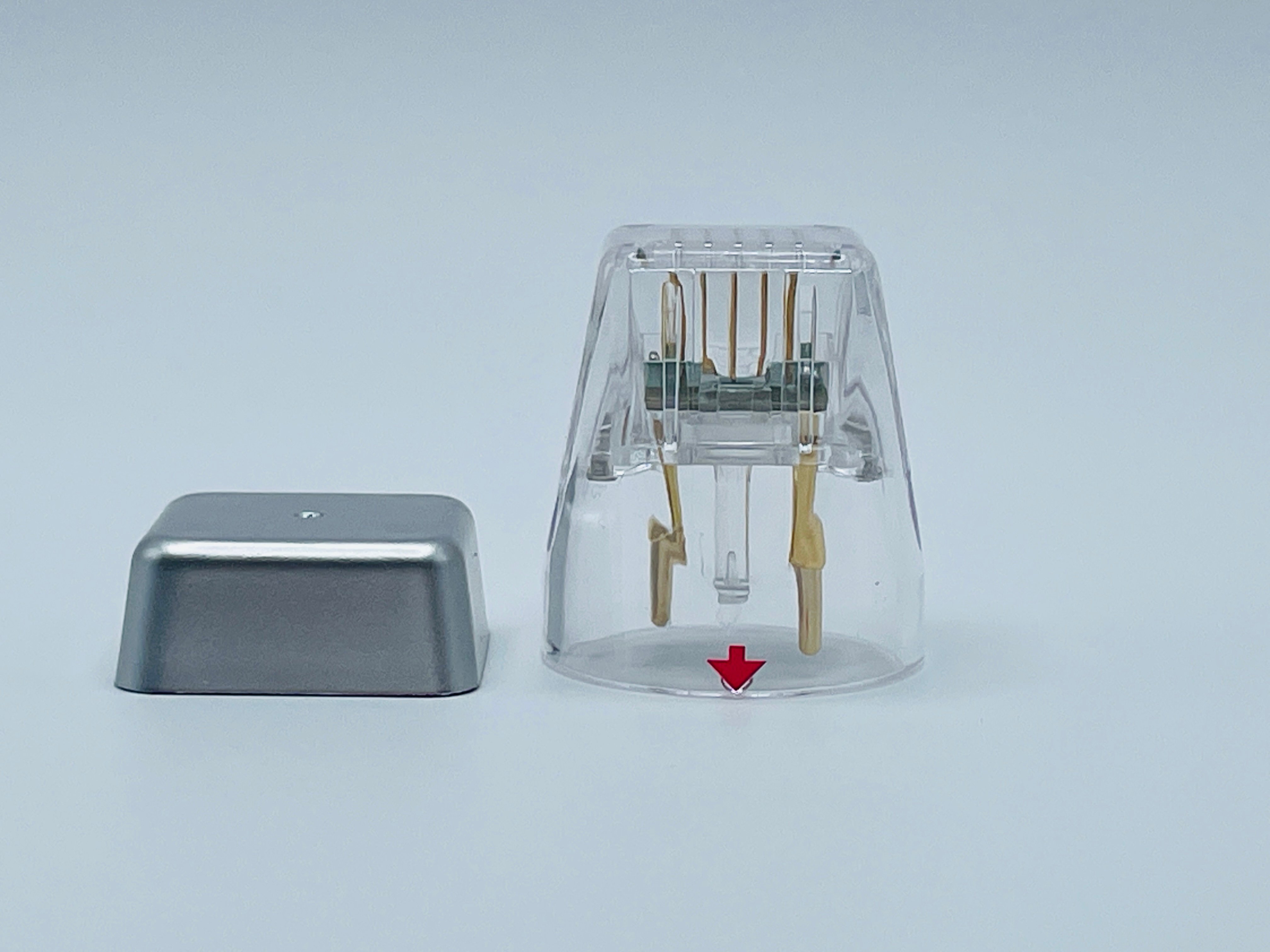
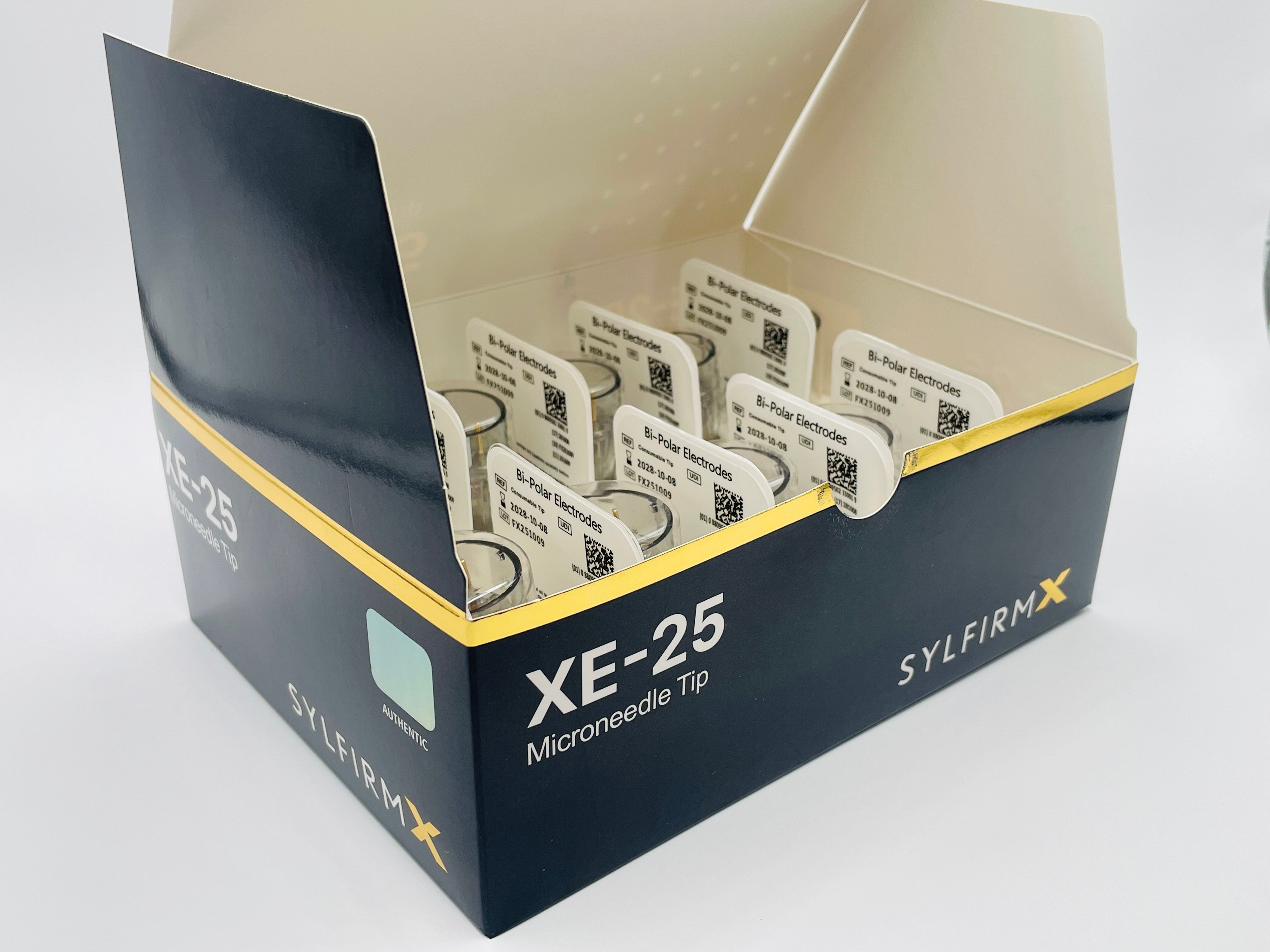
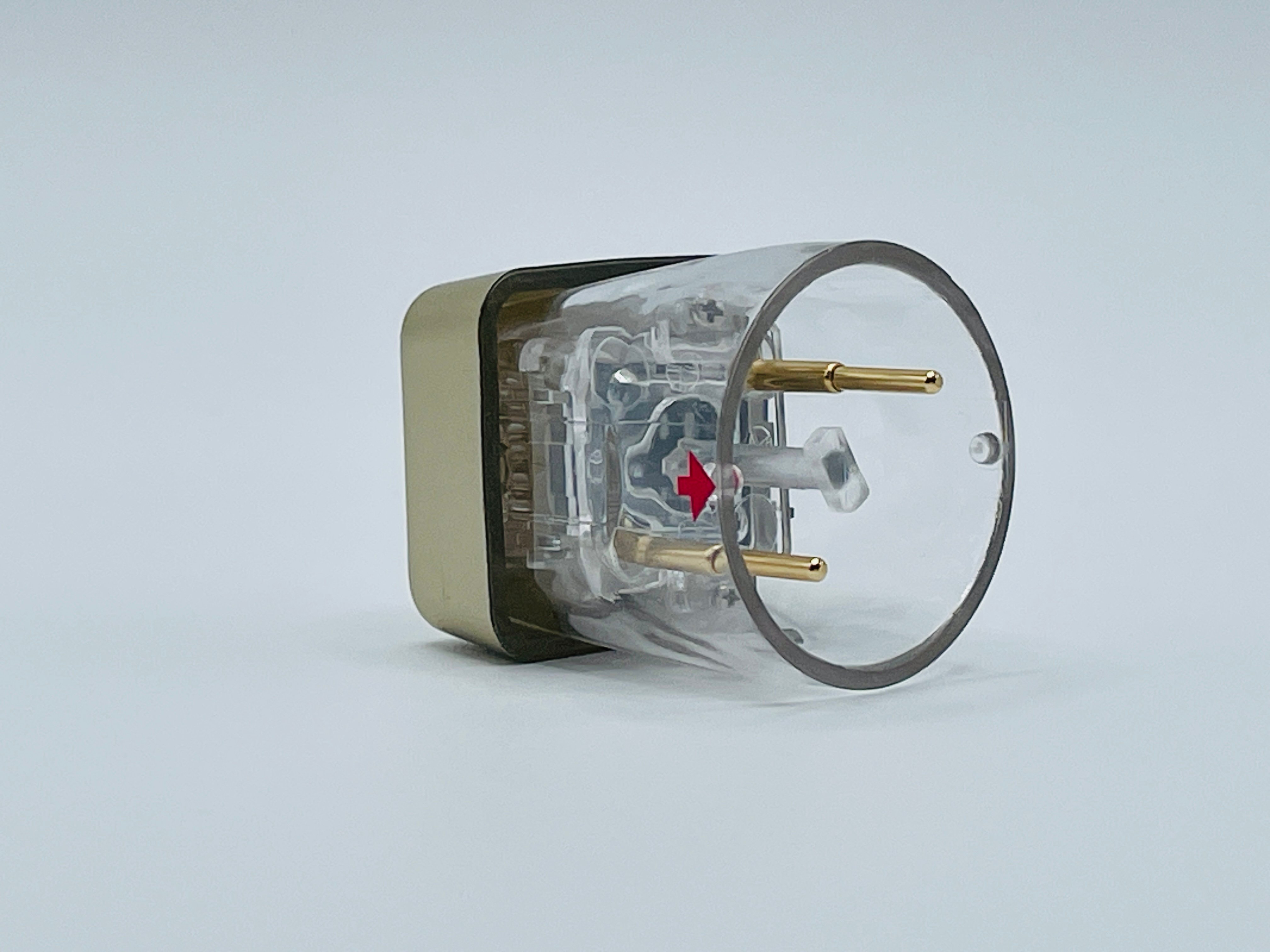
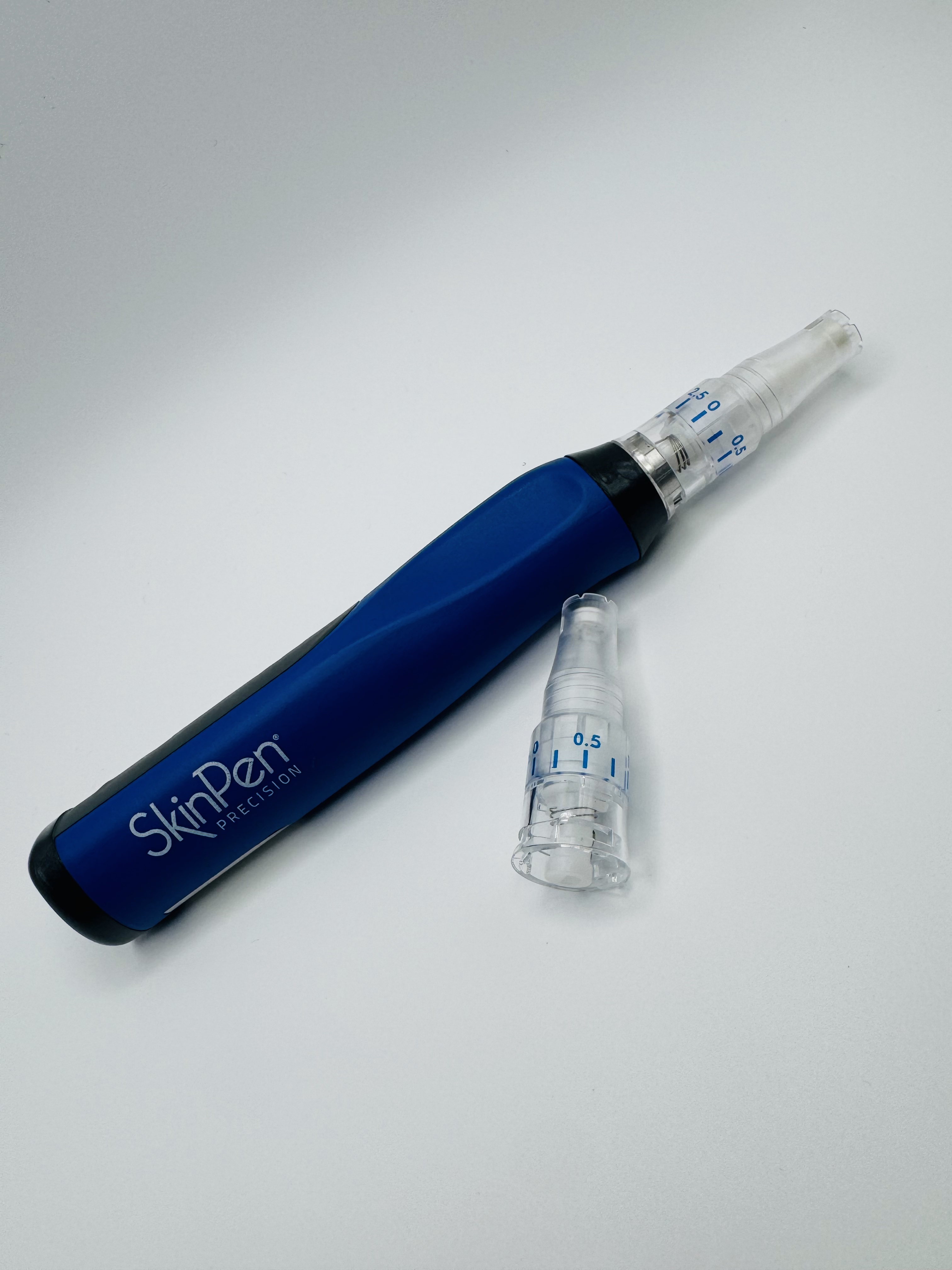
Understanding the cost of a SkinPen device is crucial for B2B buyers, including purchasing managers and distributors in the aesthetic industry. This article will explore various aspects of skinpen precision devices, including their quality evaluation, cost breakdown, common issues, and applications. By providing this information, potential buyers can make informed decisions about their purchases, ensuring they select the right products that meet their needs. 
Our Products

Understanding the Cost Breakdown of SkinPen Devices for Distributors

Understanding the Cost Breakdown of SkinPen Devices for Distributors

The cost of SkinPen devices can vary significantly based on several factors, including manufacturing costs, materials, and customization options. For distributors, understanding this cost breakdown is essential for pricing strategies and profit margins. 

Manufacturing Costs: These include labor, overhead, and machinery expenses. Companies with advanced production capabilities, such as Guangzhou Medi Technology Co., Ltd., can often achieve lower costs without sacrificing quality due to efficient processes. 

Material Costs: The choice of materials directly affects the price. Medical-grade materials, while more expensive, are critical for ensuring patient safety and device effectiveness. Buyers should consider the trade-off between cost and quality when selecting suppliers. 

Customization Options: Many manufacturers offer OEM/ODM services, allowing buyers to customize devices to meet specific market demands. Customization can lead to higher costs, but it may also provide a competitive edge in the market. 

Volume Discounts: Purchasing in larger quantities often leads to reduced unit prices. Distributors should discuss minimum order quantities (MOQ) and potential discounts with suppliers to optimize their purchasing strategy. 

Shipping and Handling: Include potential shipping costs in the overall budget. Depending on the destination, these costs can vary significantly. 

Understanding these cost factors allows distributors to create accurate pricing models and maximize profitability while ensuring they provide high-quality products. 
What You Need to Know

What You Need to Know

Before committing to a SkinPen device purchase, it’s essential to gather comprehensive information from potential suppliers. Key points to consider include: 

Supplier Reputation: Research the manufacturer's history and client testimonials. Long-term partnerships with recognized brands can indicate reliability and quality. 

Quality Assurance Processes: Inquire about the supplier’s quality control measures throughout the manufacturing process. A robust quality management system ensures consistent product quality. 

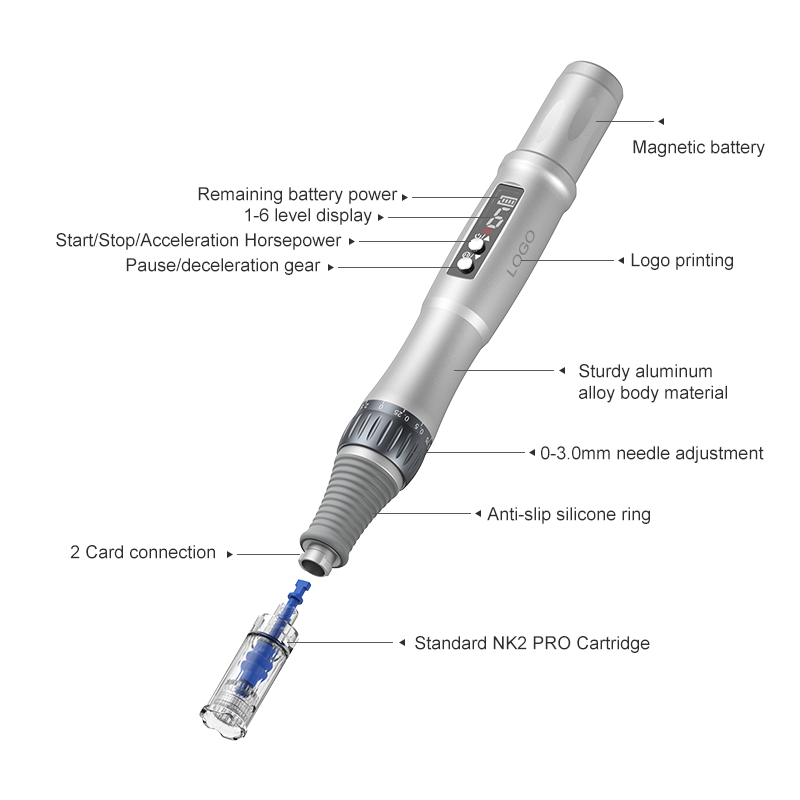
Technical Specifications: Confirm that the device meets the specific application requirements, such as needle depth and RF output. Understanding these parameters helps ensure the device is suitable for intended treatments. 

Lead Times: Discuss production lead times and delivery schedules. This information is crucial for planning inventory and meeting customer demands. 

After-Sales Support: Evaluate the level of support offered post-purchase, including training, warranty, and maintenance services. Good after-sales support can enhance the overall value of the purchase. 

Common Problems with SkinPen Devices and Practical Solutions

Common Problems with SkinPen Devices and Practical Solutions

While SkinPen devices are designed for safety and efficacy, some common issues may arise during usage. Understanding these problems and their solutions can help buyers make more informed decisions. 

Device Malfunction: Occasionally, devices may malfunction or fail to operate correctly. It is advisable to ensure that the supplier provides comprehensive user manuals and technical support for troubleshooting. 

Inconsistent Results: Variability in treatment outcomes can occur due to improper use or lack of training. Buyers should prioritize suppliers who offer training programs for end-users to ensure effective device application. 

Needle Quality Issues: Dull or damaged needles can lead to suboptimal results. Buyers should ensure that the supplier provides high-quality needles and recommends proper storage and handling protocols to maintain their condition. 

Hygiene Concerns: Given that these devices are used in medical settings, ensuring proper sterilization and hygiene practices is critical. Suppliers should provide clear guidelines on how to maintain device cleanliness and safety. 

By addressing these common issues proactively, buyers can enhance the reliability and effectiveness of the skinpen devices. 

Exploring the Applications of SkinPen Devices in the Aesthetic Industry

SkinPen devices have a variety of applications in the aesthetic industry, making them valuable tools for professionals. Understanding these applications can help buyers determine their market potential. 

Microneedling Treatments: SkinPen devices are widely used for microneedling, a popular procedure that promotes collagen production and improves skin texture. This application is effective for treating acne scars, wrinkles, and enlarged pores. 

RF Microneedling: Some SkinPen models incorporate radiofrequency (RF) technology, enhancing the treatment by delivering energy to deeper skin layers. This dual action can provide more significant results for skin tightening and rejuvenation. 

Scar Revision: SkinPen devices are effective in reducing the appearance of scars, including surgical scars and stretch marks. Professionals can leverage this capability to expand their service offerings. 

Skin Resurfacing: The devices can also be used for skin resurfacing treatments, helping to improve skin tone and reduce fine lines. This broadens the appeal for clinics looking to offer diverse aesthetic services. 

Versatility: The adaptability of SkinPen devices allows for customized treatment plans based on individual patient needs. This versatility can enhance customer satisfaction and retention. 

Understanding these applications can assist buyers in effectively marketing their services and ultimately increase their return on investment in SkinPen devices. 

By considering the outlined factors, B2B buyers can make informed decisions when purchasing skinpen microneedling devices, ensuring they select high-quality products that meet their specific needs in the aesthetic industry. 

How to Evaluate the Quality of SkinPen Devices Before Purchasing

When considering the purchase of SkinPen devices, quality evaluation is paramount. Buyers should look for devices that are FDA 510K certified, as well as compliant with ISO 13485 standards. These certifications indicate that the device meets strict safety and efficacy guidelines, which are essential in the medical and aesthetic fields. 

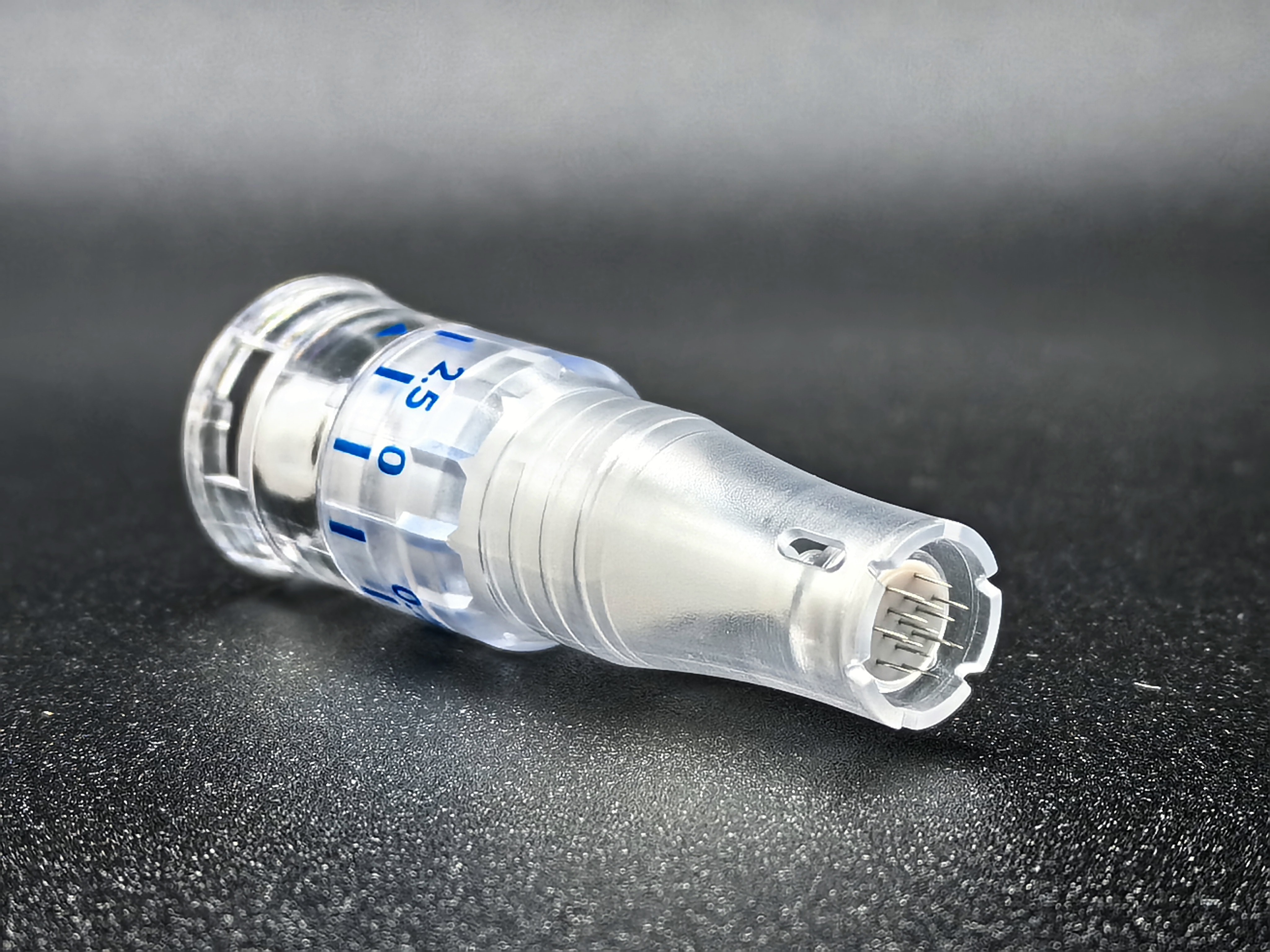
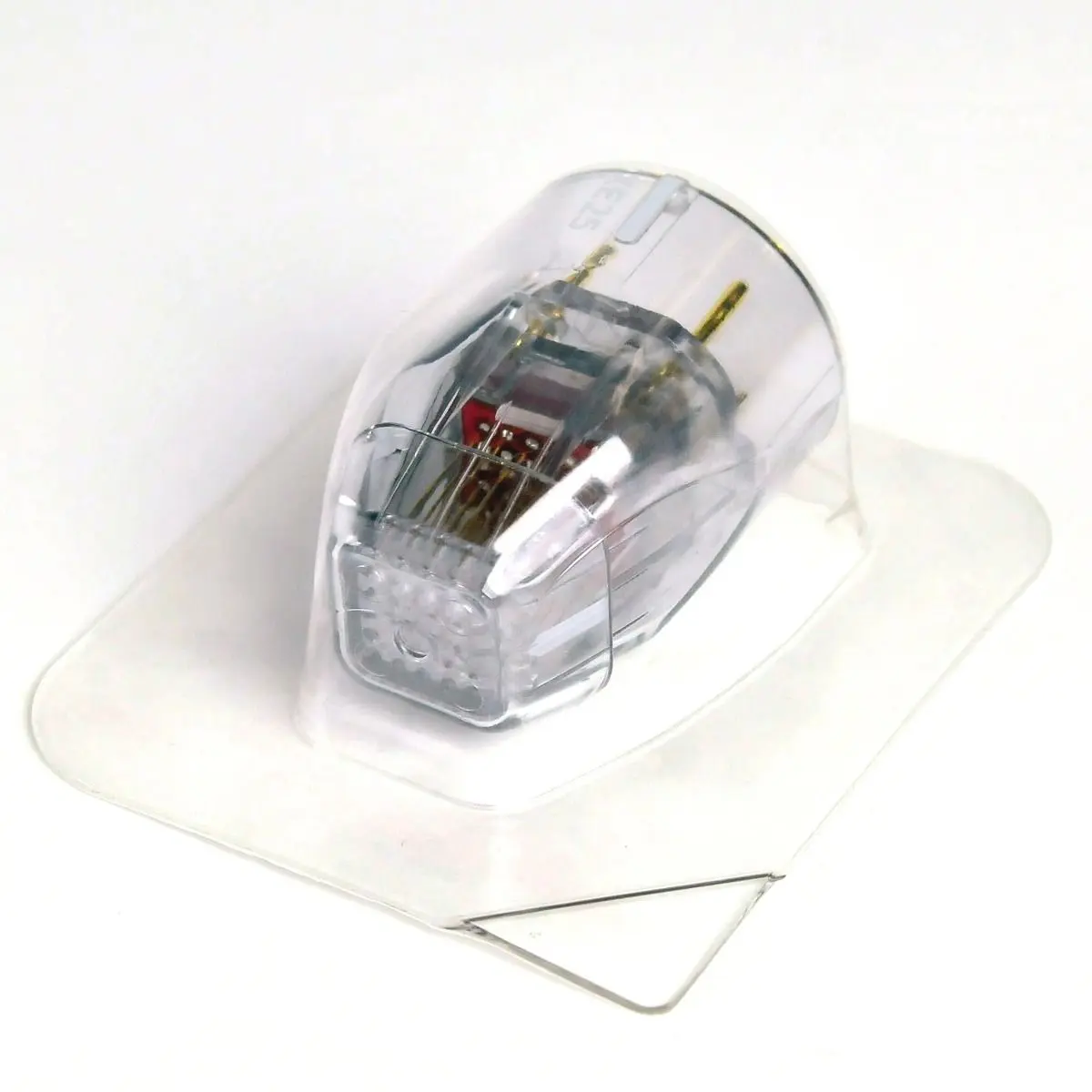
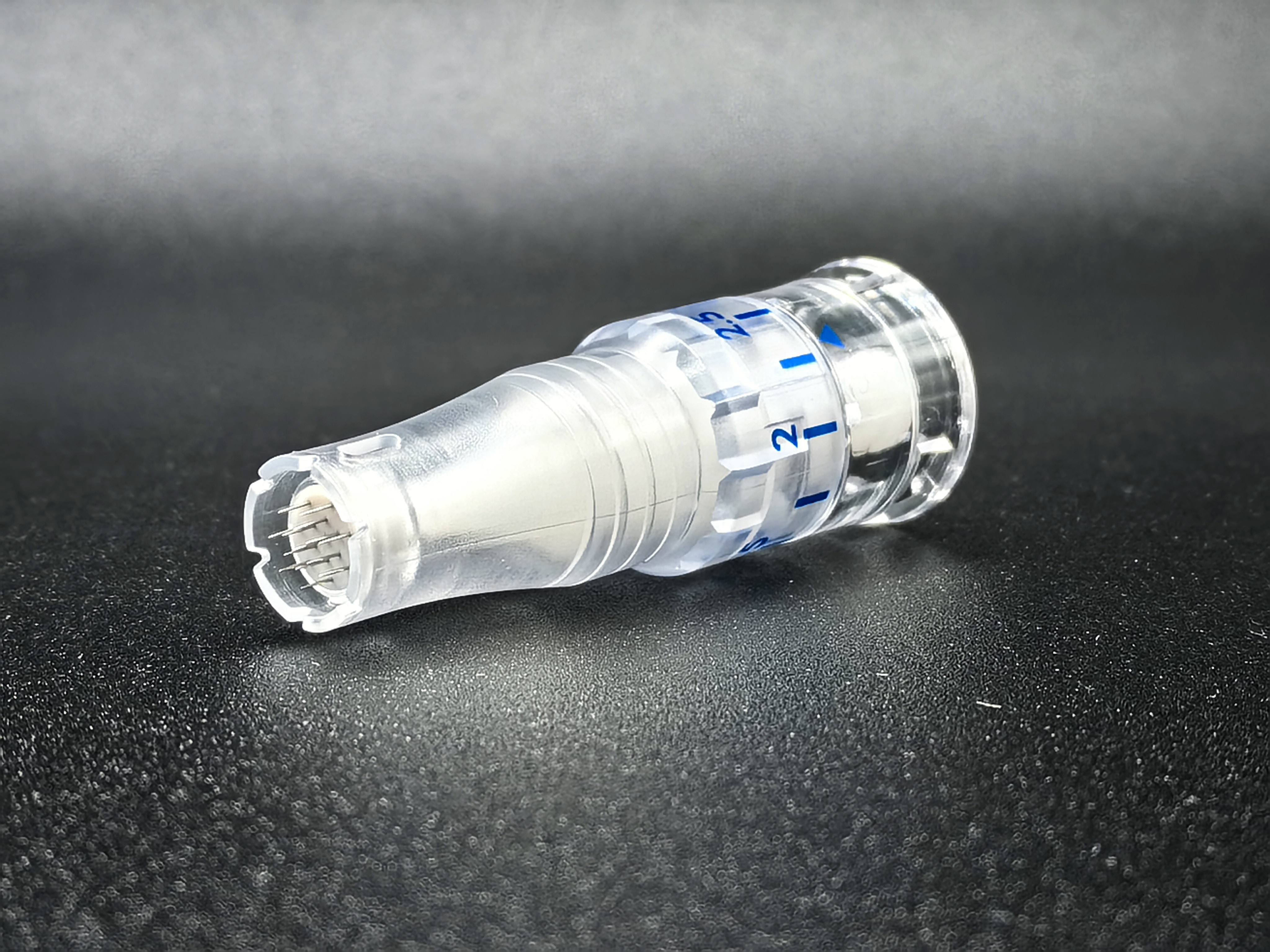
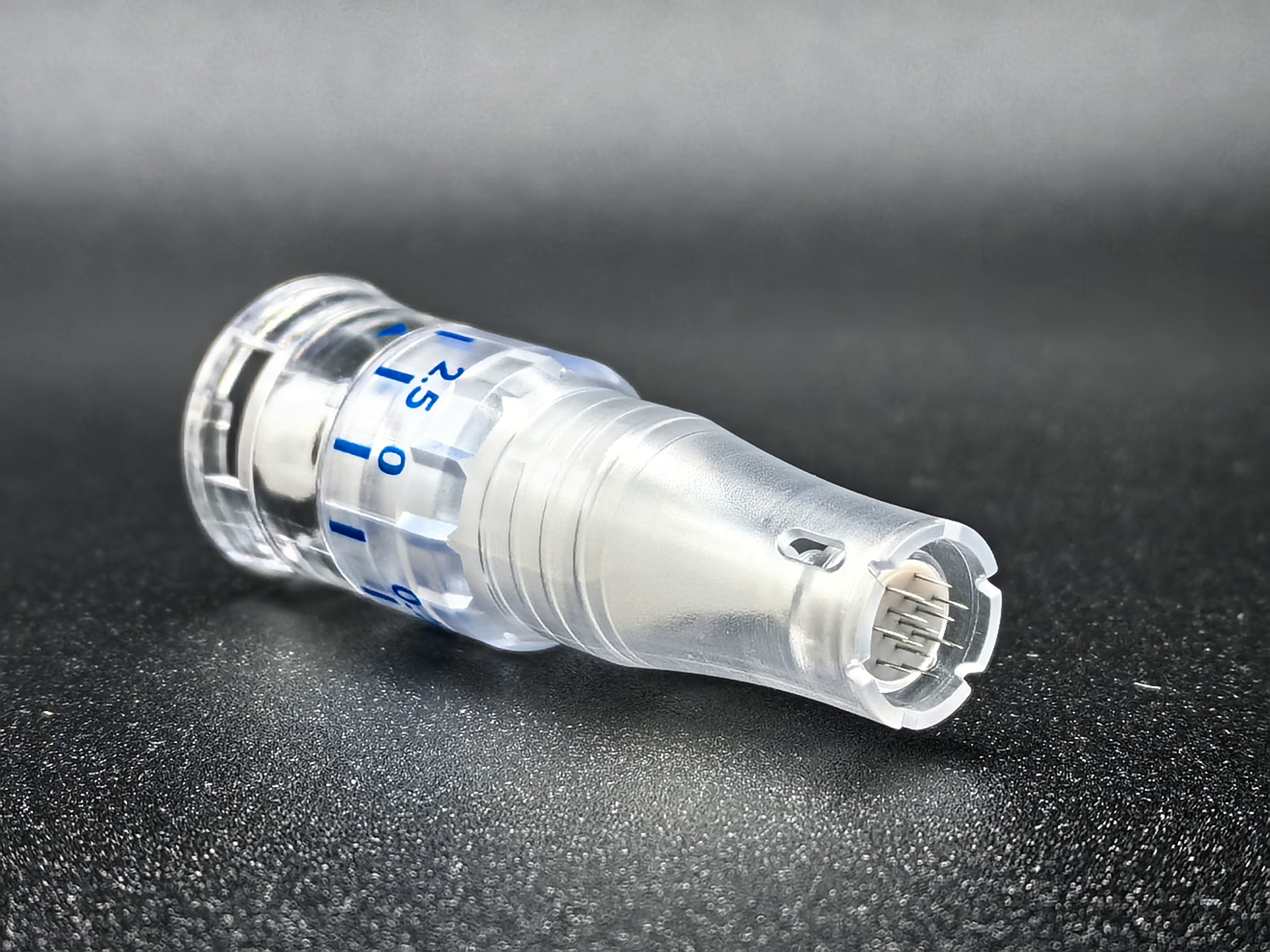
Key quality indicators include the materials used for the microneedles and RF cartridges. High-quality microneedles are typically made from medical-grade stainless steel or other durable materials to ensure safety and effectiveness. Buyers should also assess the manufacturing process. Advanced manufacturing techniques, such as precise microneedle fabrication and rigorous quality control protocols, can significantly impact the device's performance. 

Additionally, it's vital to request samples for testing before committing to a bulk order. Evaluating a sample can provide insight into the device’s functionality, durability, and overall performance under actual operating conditions. This step can prevent costly mistakes and ensure that the final product meets the required specifications. 

Frequently Asked Questions

How much does the Skinpen device cost?

Pricing varies by model and order volume. Contact our sales team for current quotes and OEM/ODM pricing based on specifications and quantities.
Yes. We offer tiered pricing for bulk purchases and customized OEM/ODM pricing. Provide order quantity and requirements for a tailored quote.
Standard pricing may exclude consumables. Quotes specify whether cartridges, power supplies, or accessories are included; request a full list when asking for a price.
Our devices are certified (FDA 510K, MDSAP, ISO 13485). Any additional certification support or documentation requests may incur separate fees; clarify needs when requesting a quote.
Lead time depends on model, customization, and order size. Typical production and delivery timelines are provided in the quotation; expedited options may be available.

Get a Free Quote

Our representative will contact you soon.
Email
Mobile/WhatsApp
Name
Company Name
Message
0/1000