 EN
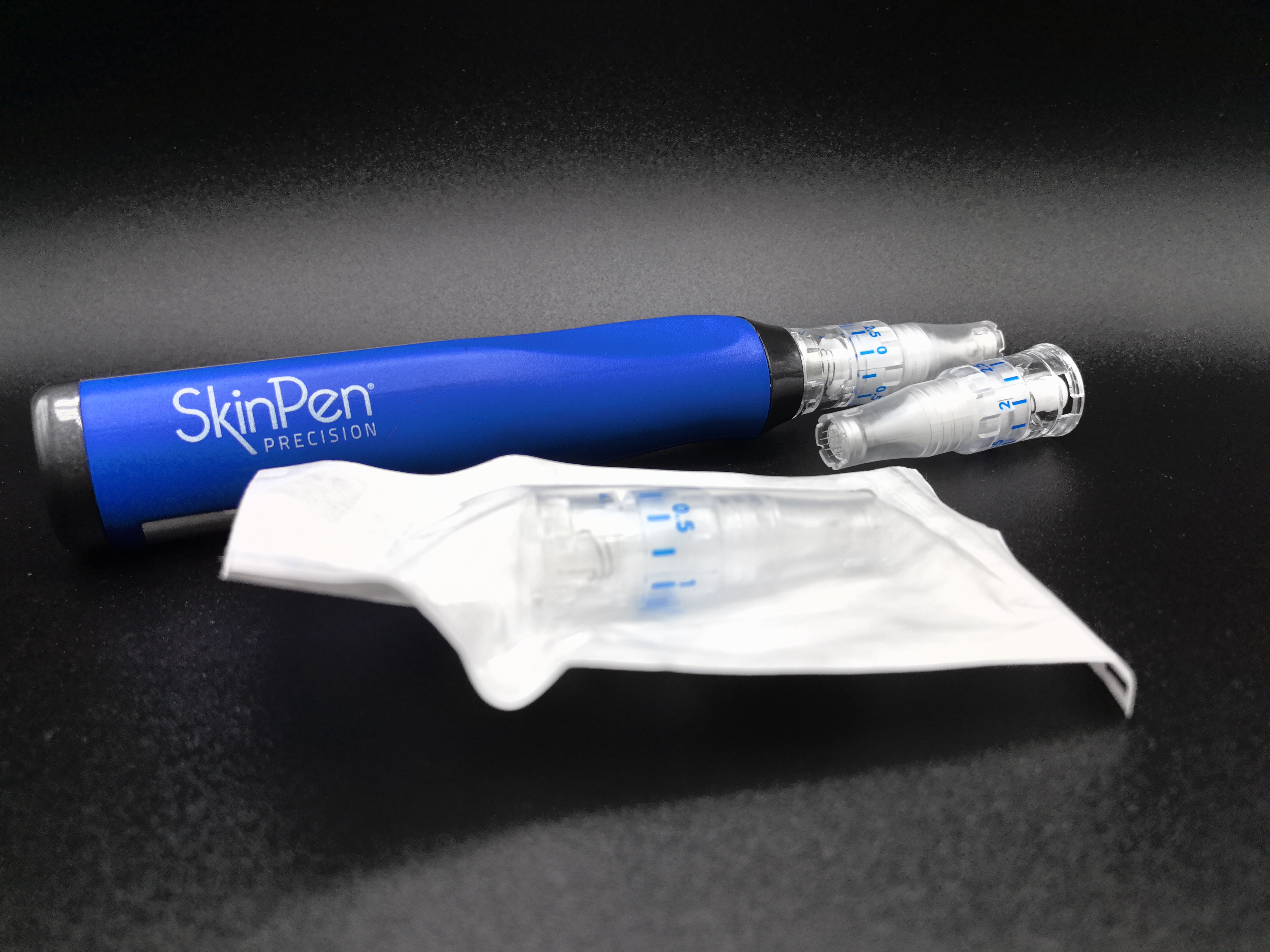
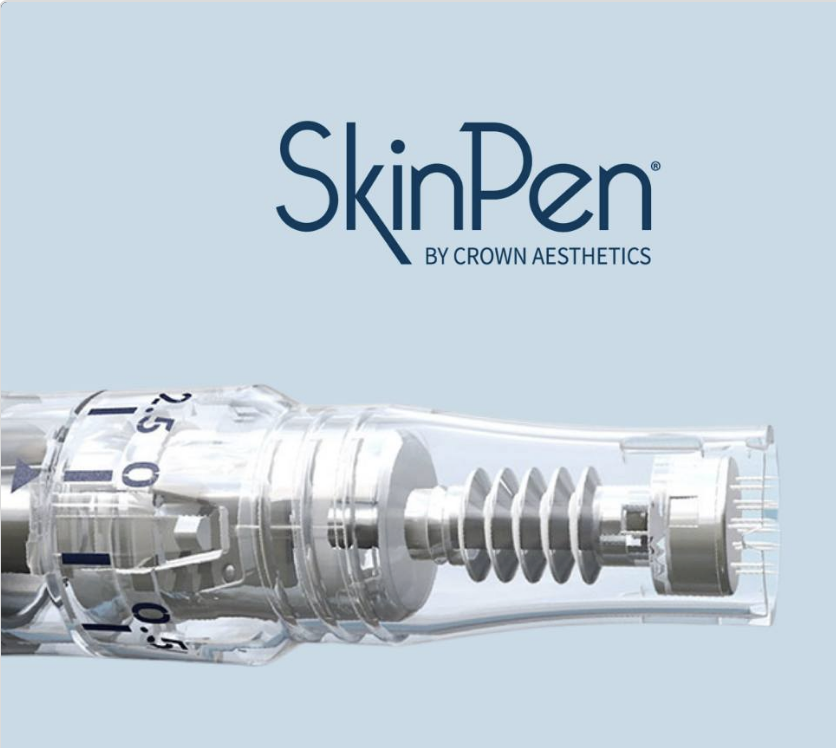
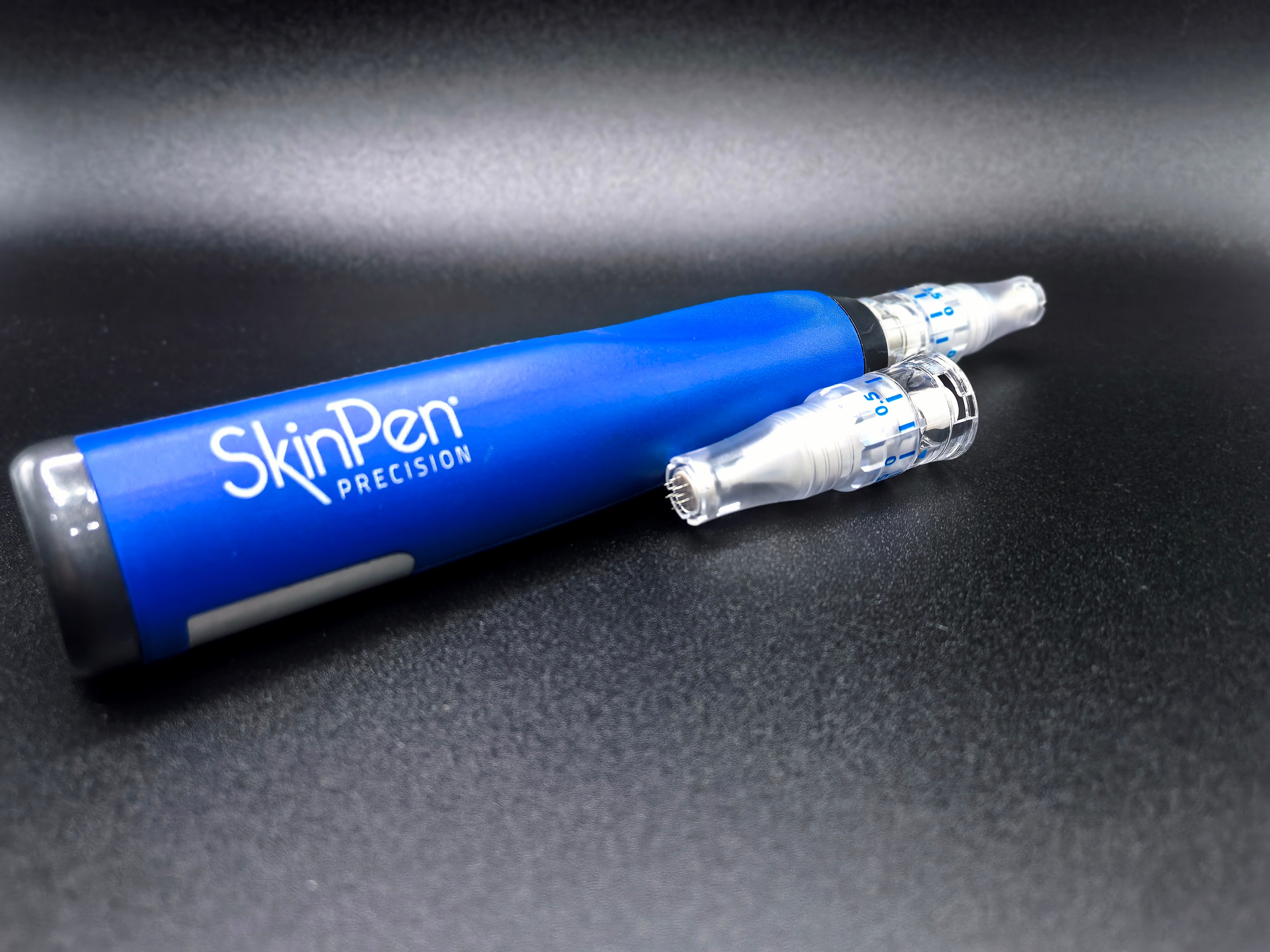
Microneedling has emerged as a pivotal technique in the aesthetics and dermatology sectors, with skin pen microneedling devices at the forefront. These devices utilize fine needles to create micro-injuries in the skin, promoting collagen and elastin production for improved skin appearance. As a B2B buyer, your main concerns likely encompass product reliability, performance specifications, and supplier credibility. This article will guide you through essential considerations in selecting a skin pen microneedling device, helping you make informed purchasing decisions.
Understanding the Cost Factors of Skin Pen Microneedling Devices
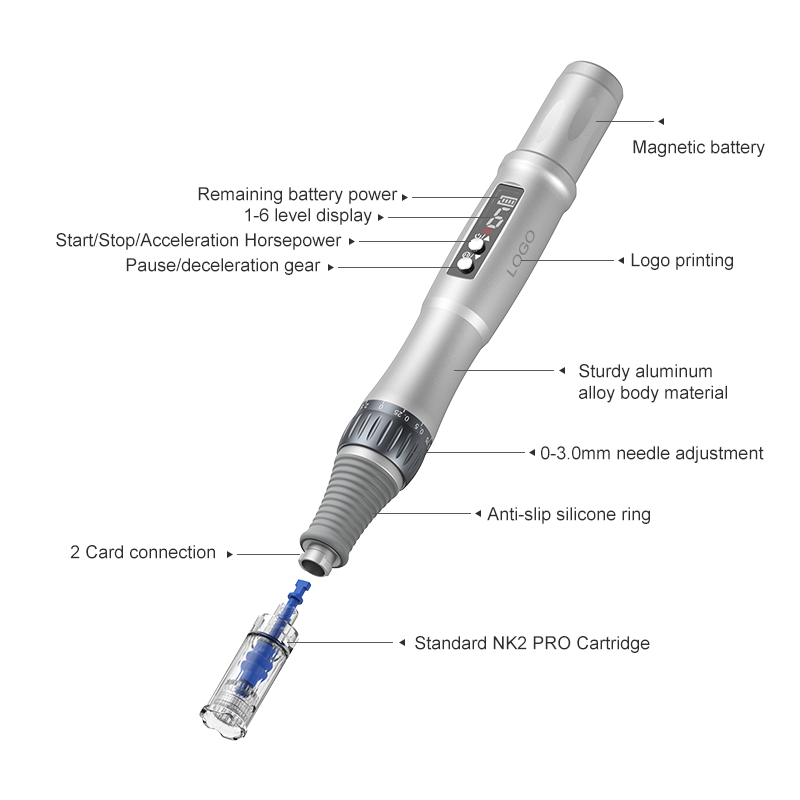
The cost of skin pen microneedling devices can vary widely based on several factors. Initially, device price is influenced by the technology used. Advanced features like adjustable speed settings, integrated RF capabilities, or touchscreen interfaces generally come at a premium.
Another significant factor is the quality of the materials used in manufacturing the device. The skin pen precision made with medical-grade materials are likely to incur higher costs but offer improved durability and safety for users and patients.
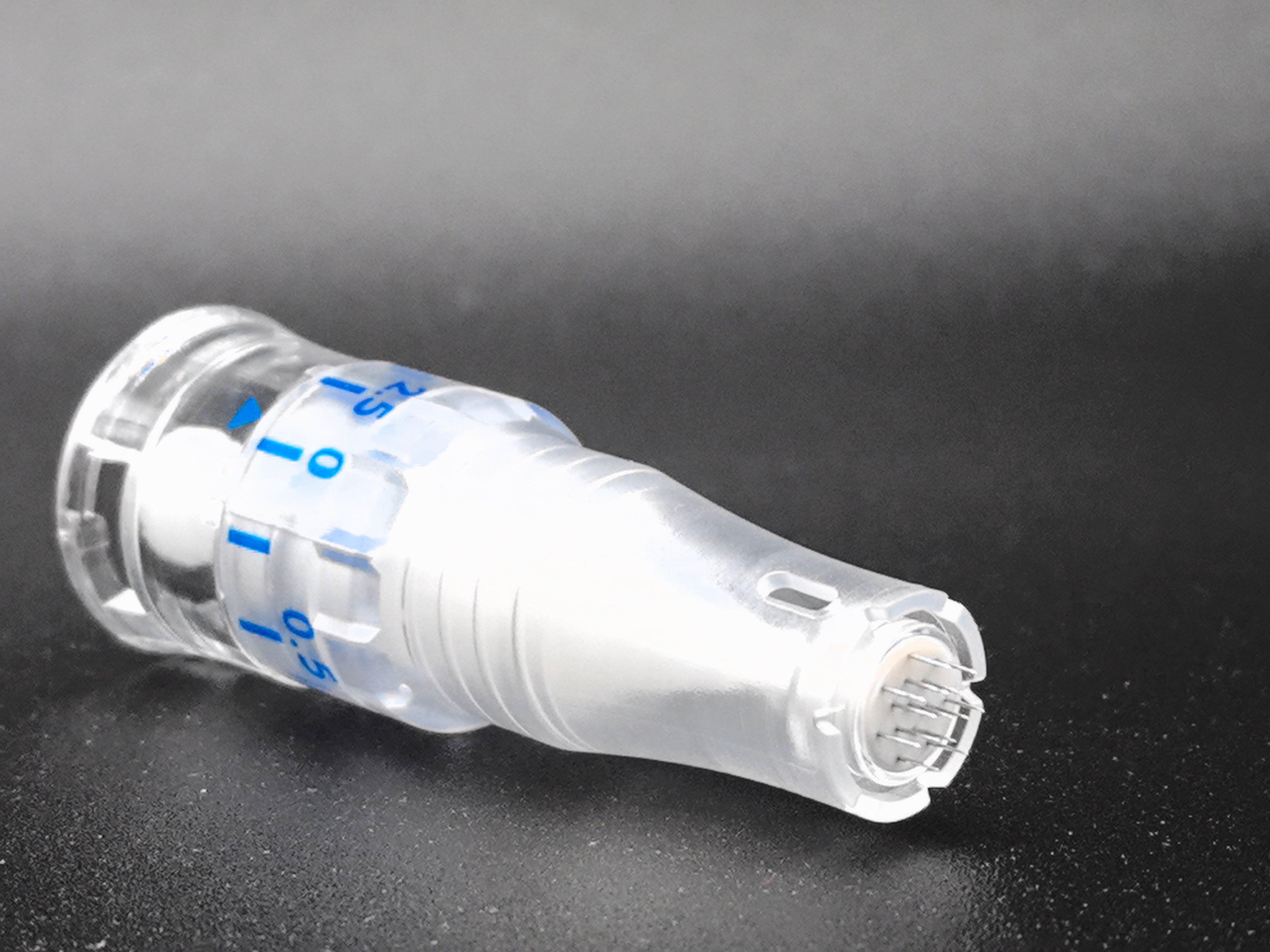
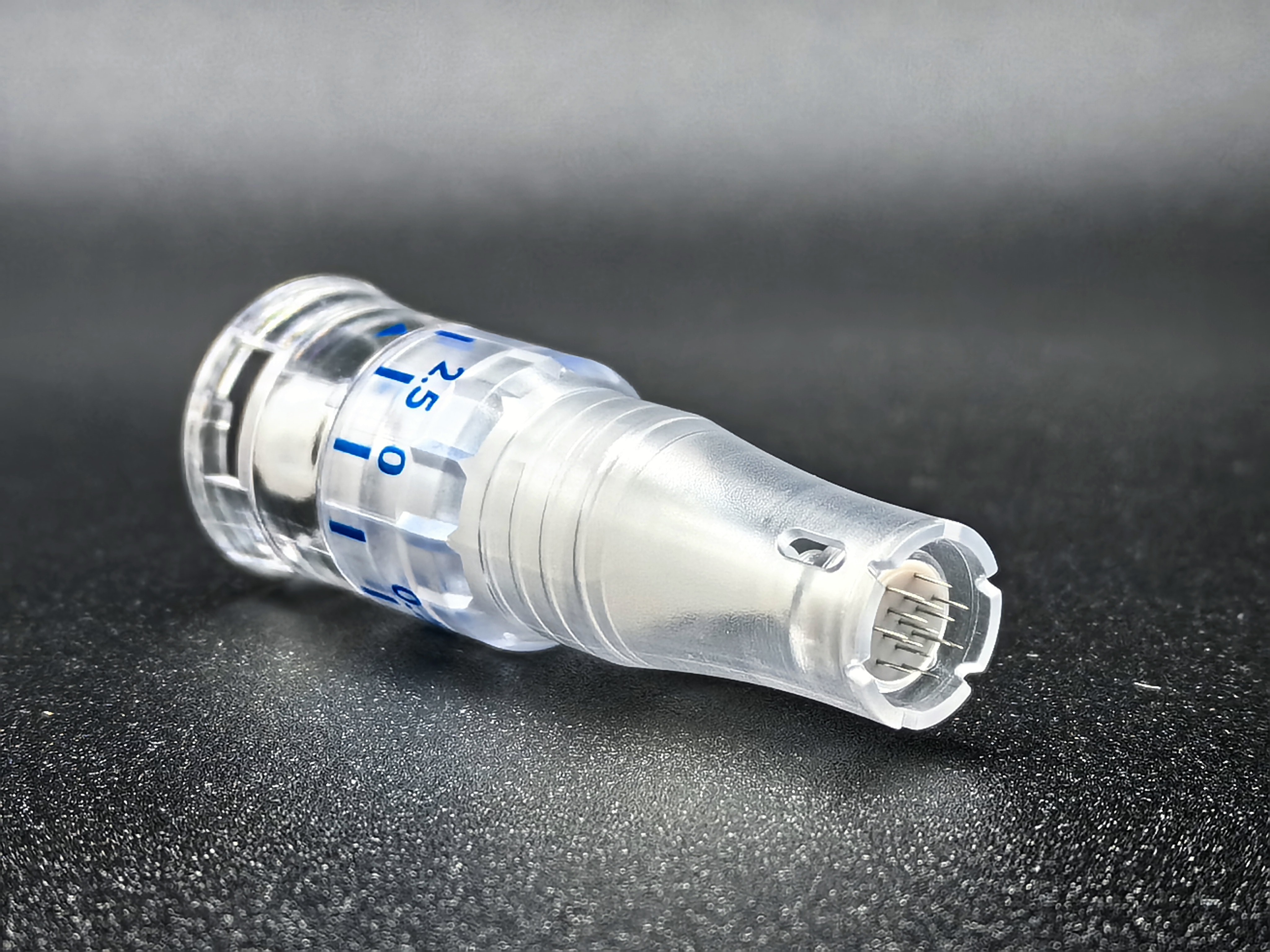
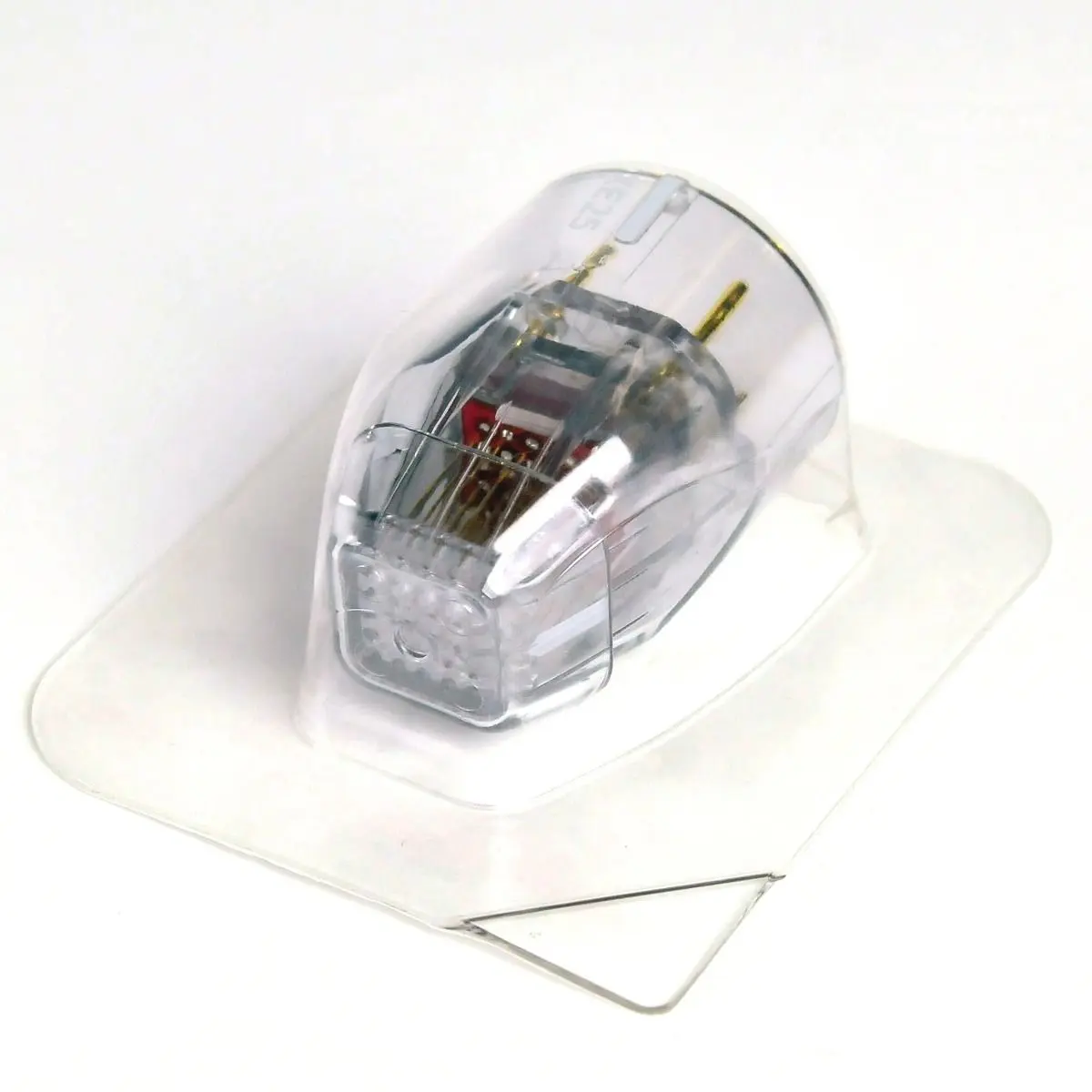
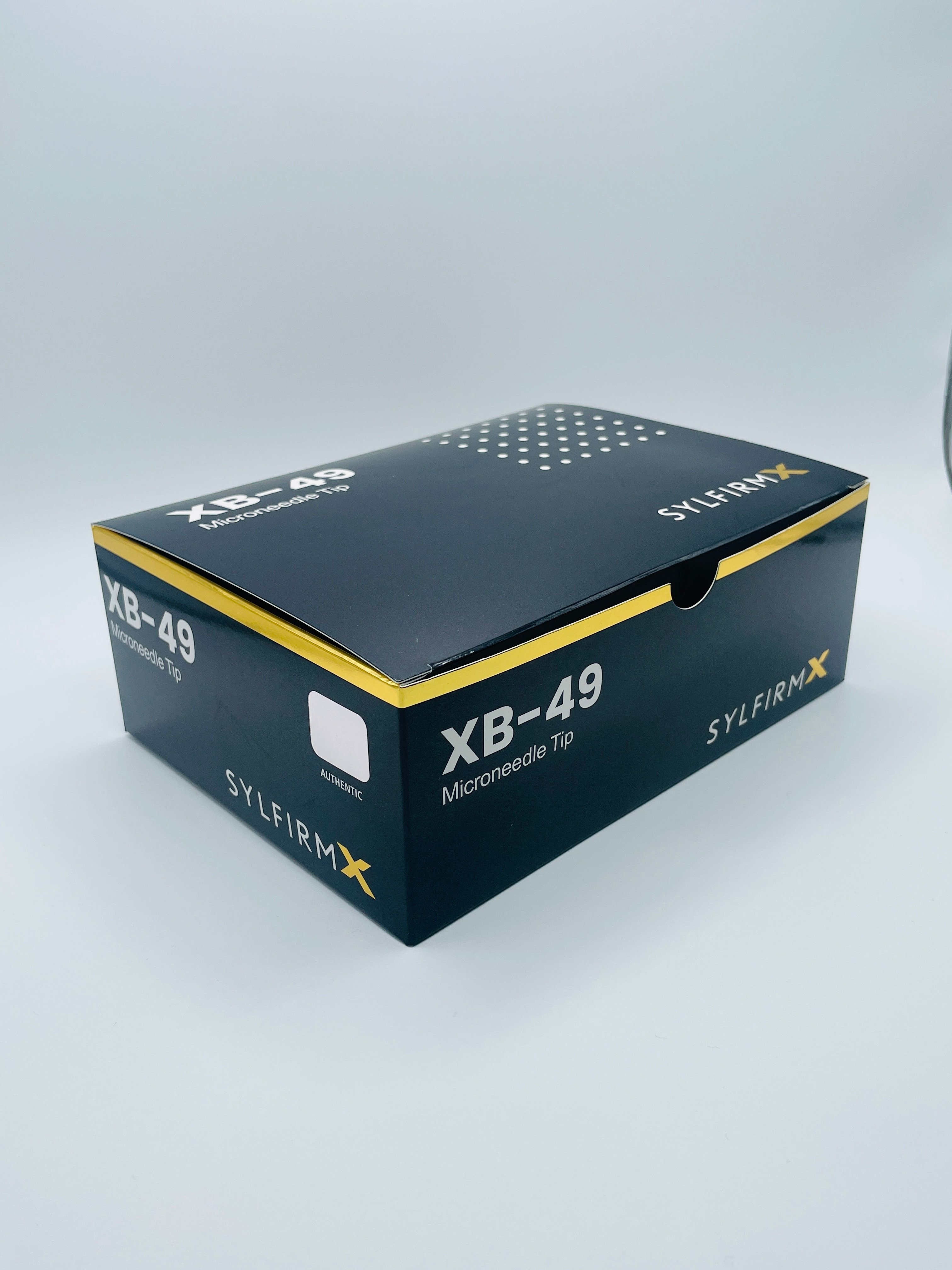
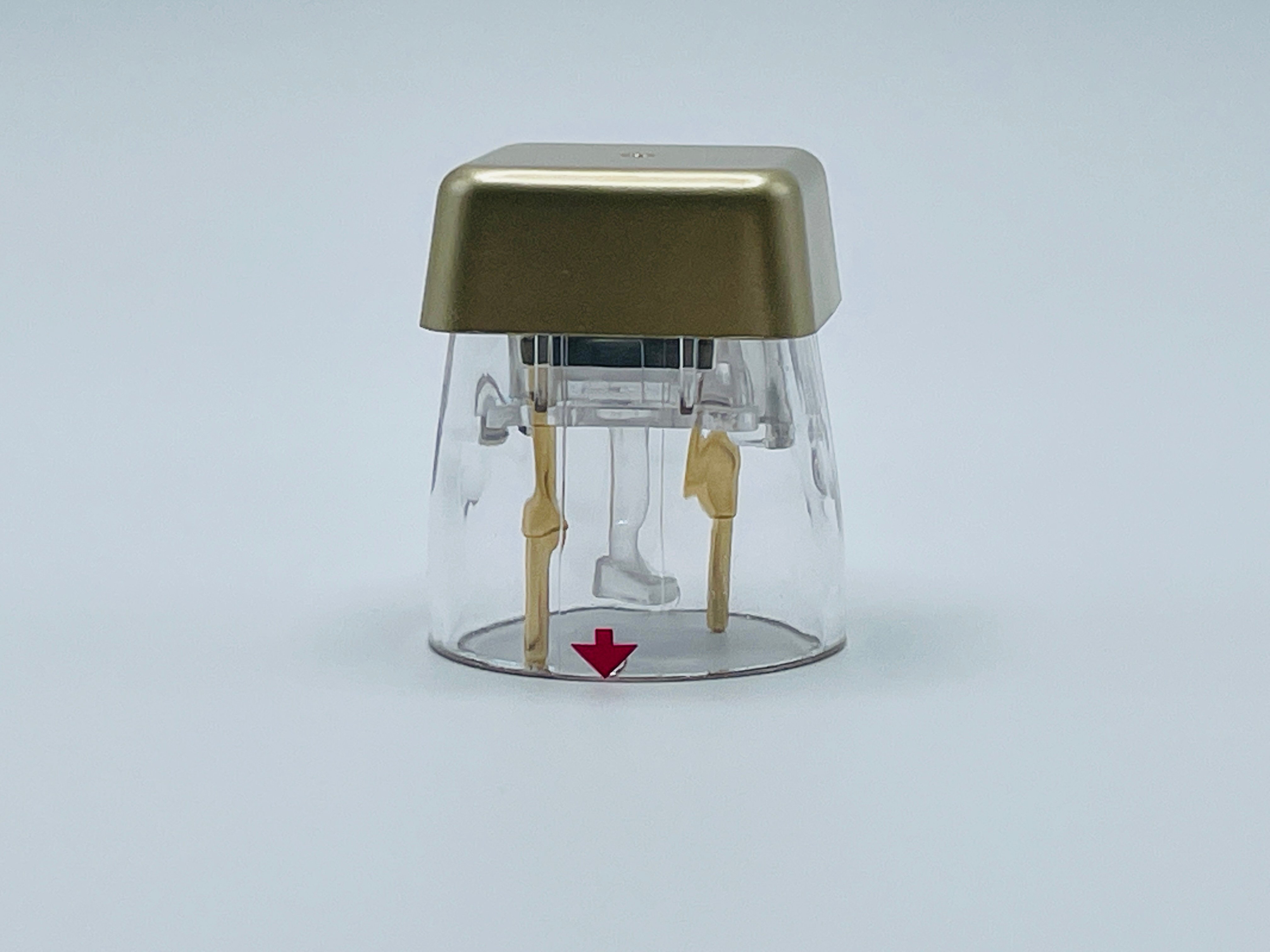
Additionally, consider the long-term costs associated with consumables like microneedling cartridges. The price of these cartridges can impact the overall cost of ownership, especially for practices that perform high volumes of treatments.
Lastly, evaluate the warranties and after-sales support offered by the manufacturer. A robust warranty can mitigate risks and reduce long-term costs associated with repairs or replacements.