EN
Scarlet RF treatment devices are innovative microneedling systems that utilize radiofrequency technology to enhance skin rejuvenation and provide various dermatological benefits. As a purchasing manager or distributor, understanding the specifics of these devices, including their specifications, sourcing considerations, and potential challenges, is crucial for making informed decisions. This article will guide you through the essential factors to consider when sourcing Scarlet RF treatment devices, ensuring you are well-prepared to evaluate suppliers and products effectively.
Key Specifications You Need for Scarlet RF Treatment Equipmen
Understanding the key specifications of Scarlet RF treatment equipment is vital for ensuring its suitability for clinical applications. Here are the essential specifications to consider:
Power Output: Typically measured in watts, the power output determines the effectiveness of the RF energy delivered during treatment. Higher wattage may lead to faster treatment times but must be balanced with safety considerations.
Frequency Settings: RF devices usually operate in specific frequency ranges, commonly between 1 MHz and 2.5 MHz. The frequency affects the penetration depth and heating effect on the skin, which can influence treatment outcomes.
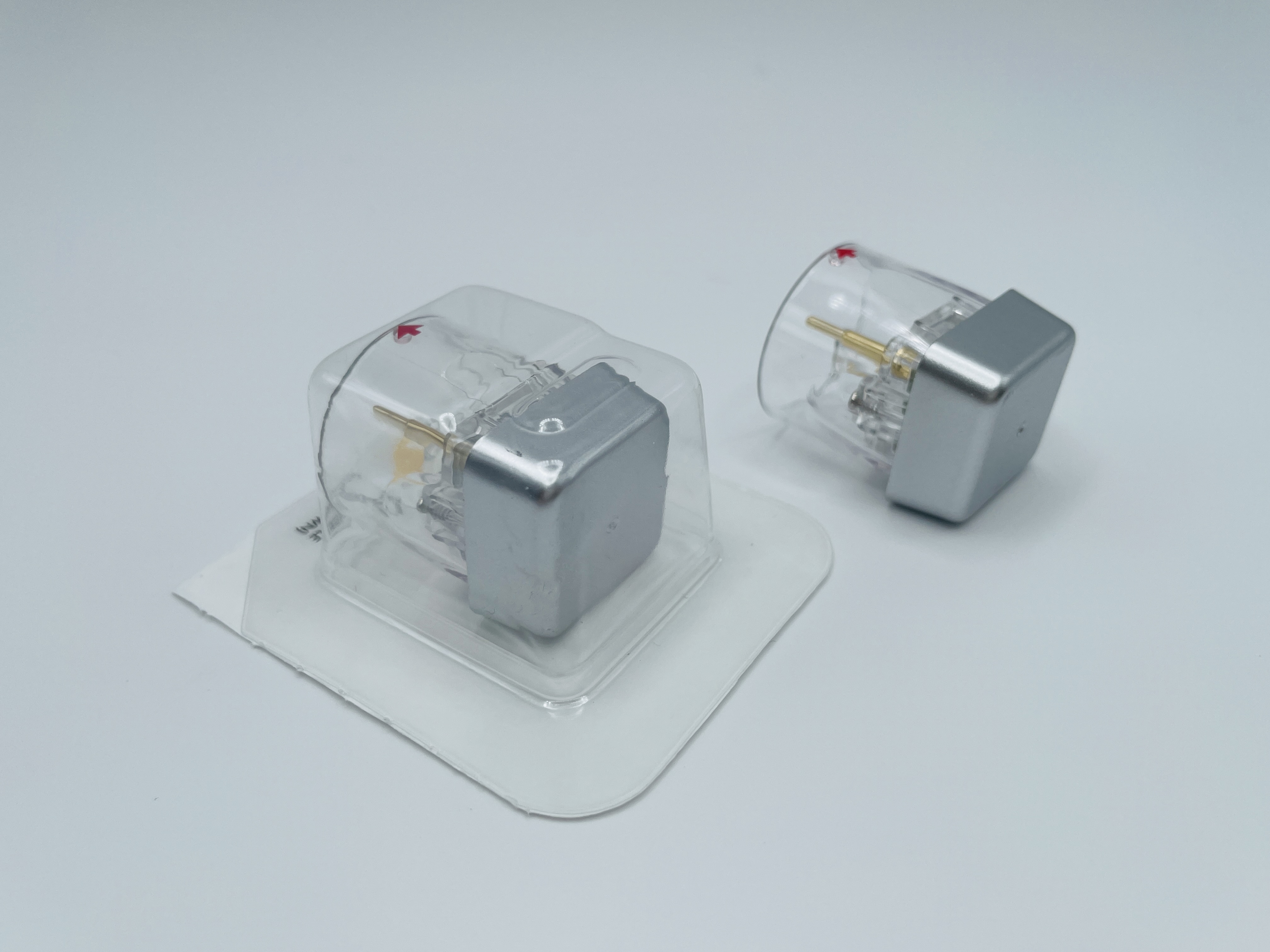
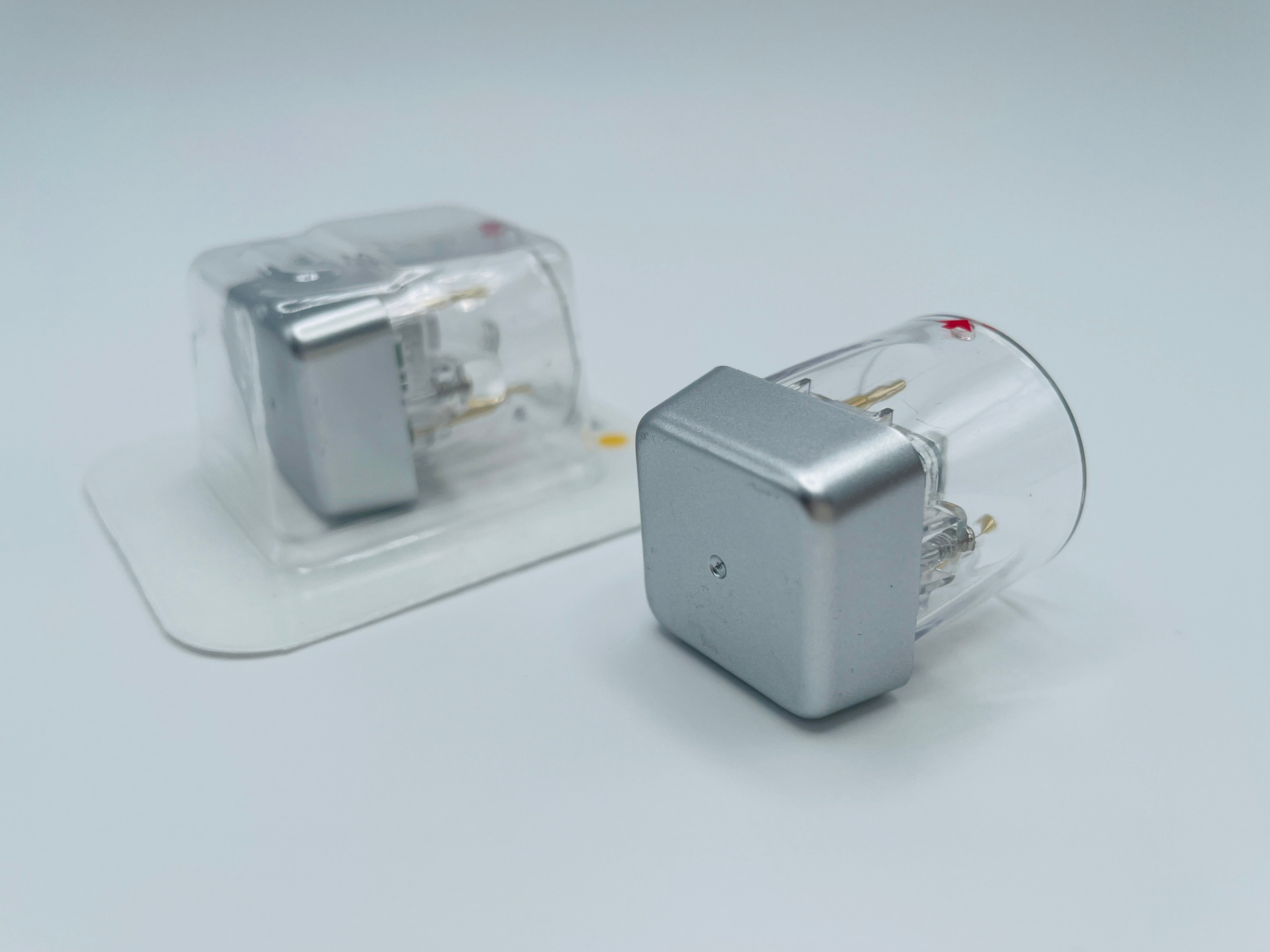
Needle Depth: The adjustable needle depth is crucial for targeting different skin layers. A range of depths allows for versatility in treating various skin conditions, from superficial wrinkles to deeper scars. Using cartridges like Sylfirm X X-25 Cartridge can further enhance treatment precision.
Cooling Mechanism: Effective cooling systems help minimize discomfort during treatment. Look for devices that incorporate advanced cooling technologies to ensure patient comfort.
Cartridge Compatibility: Ensure that the device is compatible with high-quality microneedling RF cartridges. This compatibility can affect the overall performance and durability of the system.
By confirming these specifications, buyers can ensure that the equipment meets their clinical needs and patient safety standards.